Tuesday, June 19, 2007

v4#6

I'm back from my 6 weeks in Northern Thailand. Just got in Monday night as a matter of fact. Here's an excerpt from my conversation with the immigration officer in Pearson Airport (around 11 pm--eastern standard time--I have no idea what time my body thought it was having been on an airplane for the better part of 40 hours):

IO: "How many checked bags do you have?"
Me: "Zero."
IO: "You have no checked bags? Where do you pack your clothes?"
Me (picking up my carry-on bag and brief case): "Everything is right here."
IO: "So do you travel a lot for work?"
Me: "All the time."
IO: "OK, well, welcome home."
I had the opportunity to be involved in so many different activities during the 6 weeks. The bamboo experiment, marketing issues, planning, training, credit, etc. It kept the time busy and interesting. The last week was spent at an agricultural conference hosted by ECHO (http://www.echonet.org/), which is a great organization for those of you that haven't heard of it.

There's good people working for our partner organization and I was sorry to have to leave. The good thing about my job is I get a chance to go back.


For some reason it's hard not to take pictures of rice paddies
Late night meeting in a Palong village


A forest mango identified as sacred by the local community


Some sort of Buddhist cemetary in Burma


Playing Takrah in Burma. This is like volleyball but played with the feet. Turns out I'm not very good.

Sprouting Giant Bamboo (although no sign of roots when this shot was taken)

Sunday, May 20, 2007

v4#5

This trip to Thailand was the product of months of back and forth discussion and planning between our partner organization here (UHDP--Uplands Holistic Development Project) and us (Floresta). So I wouldn't say I was nervous, but I did feel some pressure before arriving. We planned a number of activities and I feel like the outcome of those activities will very much set the tone of the partnership between the two organizations.

One of the things we planned was a participatory workshop with a group of farmers to talk about a particular bamboo species (Dendrocalamus giganteus, or Giant Bamboo). The supply of Giant Bamboo is limited, and it's propagation difficult, so we sat down with farmers from a village called Pang Deng Nai to talk about ways we might resolve the propagation problems. For those of you unfamiliar with participatory techniques, these are tools used in community development basically to help discussion and to encourage communities to take charge of their own development. If you want know more about participatory techniques, there's numerous books, articles and websites available with more information which I can send to you.

So we spent the morning and afternoon talking, and then together came up with a plan for small experimental trial to test various ideas and see if we can't improve our ability to propagate this somewhat elusive species. We stayed in Pang Deng Nai overnight, and the next day set up the experiment with the group of farmers. We should know in a couple of months if anything we tried worked or not, and although I will not be in Thailand at that time, I'm excited about what's happened so far, and eager to hear how the trial turns out.


Discussing Giant Bamboo propagation


Lunch is served.


The trial design with input from farmers and UHDP staff


Preparing to collect Giant Bamboo propagating material


Setting up the propagating material

Tuesday, April 17, 2007

What is this??


Last month I was in the Dominican Republic. While out in the field one day this helicopter flew over with this strange looking apparatus. I have no idea what this is, although this region is known for it's mining activities, so me and my Dominican co-workers guess that it might be somekind of prospecting equipment. If anyone knows, or has an educated guess, your comments are welcome.

v4#4

Last month I mentioned a community savings and loan system called VICOBA, short for Village Community Bank. I thought maybe this month I could just give you a brief description of what VICOBA is and how it works.

What is VICOBA? VICOBA is a savings and loan system we are promoting amongst farmers in the Kilimanjaro region of Tanzania. VICOBA, and similar systems are now being used throughout Africa with great success. VICOBA groups are community based, and typically rely on no outside money. A group (in our case, typically 30 people), will get together, draft they own bylaws, elect their own leaders, and initiate a short term investment cycle which lasts one year or less. In our case, we (Floresta) provide intensive training to the group for several months before the investment cycle is initiated and continued training and followup during the investment cycle.

How does the investment cycle work? At the beginning of the cycle, every member deposits an amount pre-agreed upon by the group. Every week after that, the group meets, and at those meetings every member is required to deposit at least one share in their savings account. Again, the share size is pre-determined by the group and written into the bylaws. The group then takes this fund (which increases every week), and uses it to make loans to individual members. Loans are typically for less than 6 months and at a locally competitive interest rate. In addition to interest from loans, groups will also increase their capital by the collection of fines on bylaw infractions (eg. being late to a meeting will cost you around 1 dollar US), and through fund raising events which the groups themselves organize.

What happens with all this money? Well, it's kept in a box. This is a heavy metal box with three locks on it, and the group selects three reliable members to be keepers of the three keys. At every meeting the box is brought out of hiding by the three members, and all the cash inside is counted. The meeting then opens and members deposit their weekly shares. At the end of the meeting, the cash is recounted, and the boxed relocked by the three key-keepers in the presence of the entire group. Transparency is a big deal in VICOBA as you can tell.

What's the success of this? I would have to say pretty remarkable. For example, in a recent investment cycle (the graduation which I mentioned last time), one member invested the Tanzanian Shilling equivalent of 141 US dollars over the 12 month period, and at the end of the cycle received the approximate equivalent of 160 US dollars. This works out to about a 13.5% return. I should point out that not every member invested as much, but every member would benefit from the 13.5 percent return. This type of result is drawing quite a bit of local attention, and even some imitation groups.

Photo is the VICOBA savings box being opened at the beginning of a meeting

Thursday, March 15, 2007

v4#3

Working cross-culturally, I think, is a bit like driving too fast in traffic. If you stop paying attention even for a second you may end up driving off the road, or end up in a big crash. Even if you do manage to stay in control, other drivers will look at you and ask,"What in the world is he doing?" Such is the nature of my work that I live with the constant possibility of a major faux pas, hoping to avoid it, but realizing the embarassing inevitability of it all.

Two weeks ago, I had the opportunity and privilege to attend a meeting of a savings and loan group in Tanzania. The system that this group is using is called VICOBA short for VIllage COmmunity BAnk. Perhaps in another entry I will describe VICOBA in more detail, but suffice it to say that it is working very well, and generating considerable local interest. So much so, that this small community, with a mere 30 VICOBA members, took it upon themselves to invite the District Commisioner. There is no North American equivalent of DC, but he would be just one notch below Governer or Premier. He's important enough that when people walk in the room where he is present they will hold their hand to their heart and bow slightly. So having the DC attend was a surprise for me and a big deal for everyone. In the presence of such dignitaries I am a very minor character, so I was further surprised when I got invited to the head table. And so, in my moment of personal obliviousness, I moved to the next available seat at the head table which also happened to be the central seat, the place of highest honour, definitely intended for the DC, very definitely not intended for me. Worse, having plunked myself down, I had no graceful way to extract myself and had to endure the next 2 hours of my own folly. Luckily, everyone was very diplomatic and managed to pay proper homage to the DC while not causing further embarassment to me (at least not any more than I was already inflicting on myself).

I do have a photo documenting this error, but refuse to post it as I believe my soul may be trapped in there. Instead I am including a photo of a VICOBA member receiving congratulations from the DC himself.

Saturday, February 17, 2007

v4#2

Every morning while I was staying in the Dominican Republic in January, I would get up, leave the hostel where I was staying and head one block down to the local breakfast stand, basically a white cart, wheeled to the curb in the mornings by an older couple. I would order an egg empanada, which was made by taking a pre-made flour tortilla (presumably made up by the wife the evening before, since there was always a stack of about 100 by the time I arrived), folding it in half, rolling up the edges and patting gently with a fork to seal, leaving only one end open. An egg was then cracked so that a dime sized hole was opened on the end, the contents stirred to break the yolk, and poured into the open end of the tortilla. This was immediately sealed and the whole thing dropped into the already hot oil. A few minutes later, the cooked empanada was fished out with a metal skewer and set on rack to allow the oil to drip and the empanada to cool. 10 pesos. Or about 30 cents US. I know that economies differ regionally, but it still amazes me how some people can make a living when their margin can't be all that large. Even a local Dominican restaurant, far from the tourist traffic will charge 3 to 4 dollars US for lunch. Compared to a fast food place in Canada, we're not talking magnitudes of difference. I guess it always makes me wonder if economies of some regions aren't existing in some sort of unrealistic bubble. And when I read that North America has 5% of the world's population, and uses 35% of the world's energy, well, for somebody's economy, a bubble-bursting is probably in order.
Photo: Not breakfast. Worm composting in the DR which can increase yields and quality of vegetables, reduce costs and environmental damage by decreasing the farmer's dependence on chemicals, and be a source of income since the compost itself can be sold.

Sunday, January 21, 2007

v4#1

All over Hispaniola is the answer this month. I landed in Port au Prince the first week of January, travelled south to our project site which was established 10 years ago this coming May (the local Floresta staff will be holding a big celebration), then this past week I was visiting our new site straddling the Haiti-DR border. In contrast, the border project (or more correctly, the Trans-Border project) officially started in Sept. 2006. It's inspiring to me to see our Haitian and Dominican staff reaching out to each other, trying to learn each other's language, understand each other's customs, share their experiences and problems together, struggling against the currents of 500 years of mutual history (Columbus landed in Haiti on his first trip) most of which has varied between being hostile and being violent.

Speaking of violence, after an exceptionally dangerous December, this January in Port au Prince turned out to be one of the calmest anyone can remember in a while. Which means there was little risk to me personally (phew!). This is in part being attributed to a new campaign by the government to put police in the street to control things, and I did in fact see officers at most major intersections, something I haven't seen in the past.

I've left the border region now, crossed over land to the Dominican capital Santo Domingo, although not before I and our other staff were subjected to the somewhat chaotic Haitian and Dominican immigration offices, where I was cussed out by a tout for refusing to pay him a 'gratuity' for 'helping' me get my visa stamp.

But perhaps I've already said too much.

Photo is me standing in the market in Fond Verettes.

Sunday, December 17, 2006

v3#12

This month I got the chance to teach a field course in Belize. The topic was sustainable community development (unit II). The students were university students from all over the US that spend a semester in Belize. Every week a different instructor is brought into the field campus to instruct on a variety of topics and my week came up in the middle of November. I stressed about this for months since this was the first time I had taught a course, and there were a number of things that had to come together in order for it to be successful.

Well, my first time in Belize, and I found it surprising in many ways. Culturally diverse, sparsely populated, and strongly linked to the global economy. Definitely a place to go back to.

The course turned out pretty well by the way. Well, at least I didn't hear the students complaining too much, and as one of the teaching assistants told me, no negative feedback is the student equivalent of positive feedback.

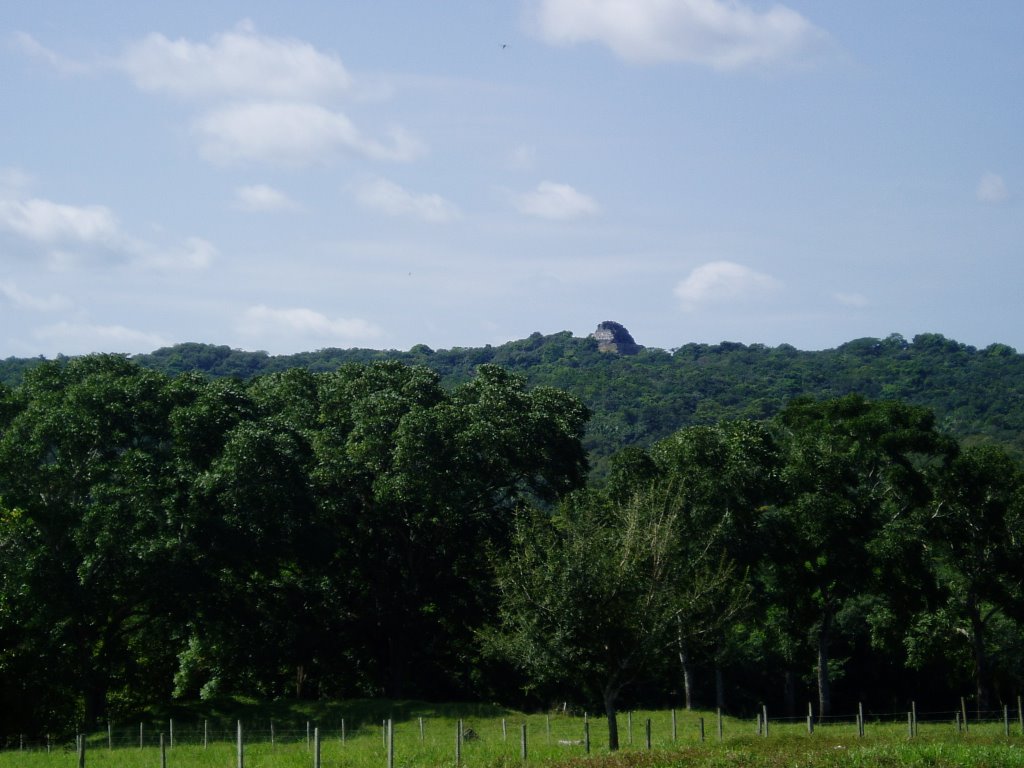
Photo is the main pyramid at the Mayan ruins of Xunatinich visible from the school's campus.


Friday, November 17, 2006

v3#11

The past 3 weeks I have attended three different conferences/meetings in San Diego, Florida, and Niagara Falls respectively. This is somewhat of a departure from my normal routine, and I was even required to wear a jacket and tie on one occasion (undocumented). All were useful, even enjoyable, and included such topics as How to better evaluate the long term impact of Floresta's programs (San Diego), Conservation farming as a viable alternative for drought prone regions of Africa (Florida), and Holistic development ie. how community development is about a change of heart, not just a change of technology or infrastructure (Niagara Falls).

On a different note, I am trying to find out about biofuels, in particular the use of straight vegetable oil (SVO) in diesel engines and cooking stoves. If anyone knows anything about this topic, or knows someone that does, PLEASE, contact me.

Bob

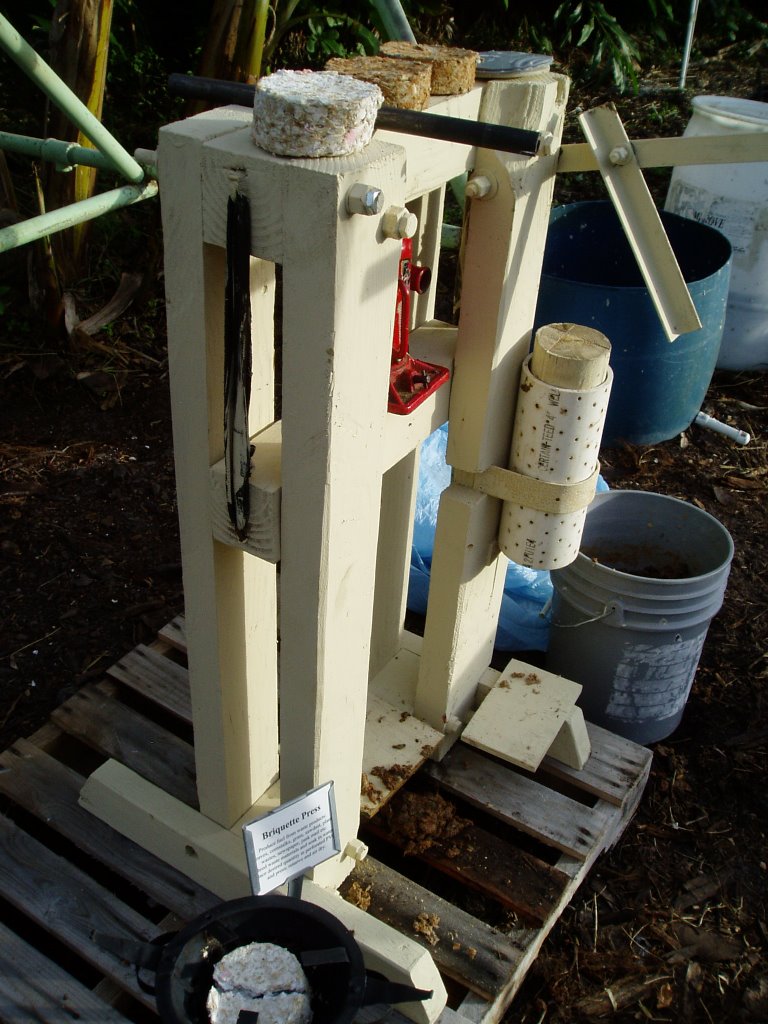
Photo: a simple press which can be used to make briquettes from scrap paper or plant materials to substitute for firewood. The press can also be modified to extract oil from various tree and crop seeds to produce oil for cooking or alternative fuels (from the ECHO conference in Florida)

Tuesday, September 26, 2006

See a Floresta video

To learn a little more about what Floresta does, see the video:
http://www.youtube.com/watch?v=D9EhdzdAeqU

Sunday, September 17, 2006

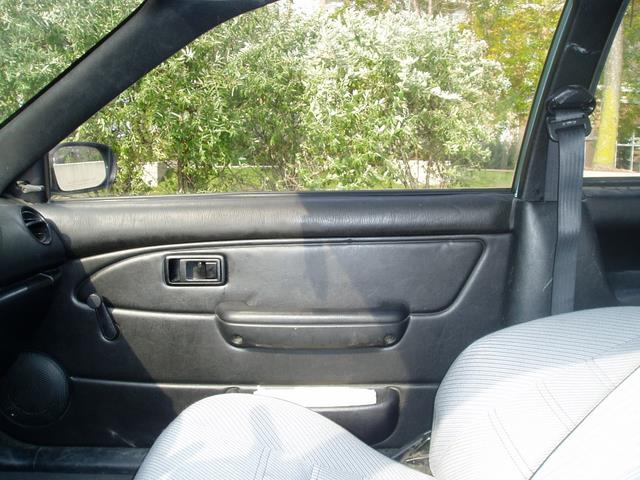
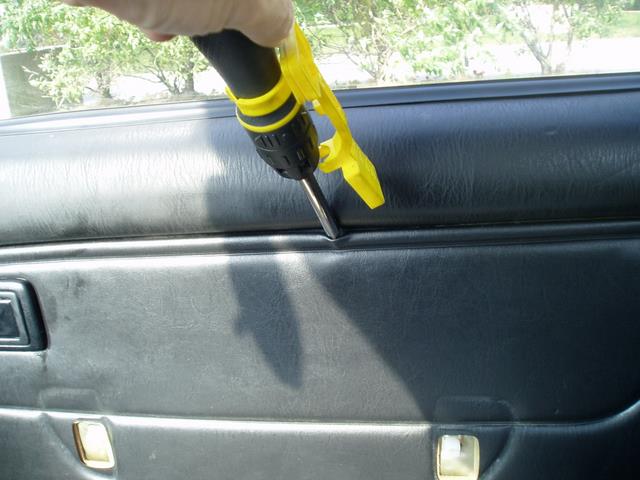
How to get a passenger-side door unstuck on a 93 Toyota Tercel

If you're like me and you dabble in car repair, and you've discovered that the repair manuals say nothing about how to get your passenger door unstuck, and you've finally resorted to a last-ditch internet search, I hope this helps. I was just about to give up myself, and then stumbled on the fix by accident.

First, the tools you might need:
-a multi-head screwdriver
-a pry-bar or regular screwdriver, or something that will reach the lock mechanism
-somekind of rust-release compound (WD40, Liquid Wrench, etc, there are a dozen of these to choose from in the automotive section at Canadian Tire)
-a light!

Step 1: Tip the seat back to give yourself as much room as possible


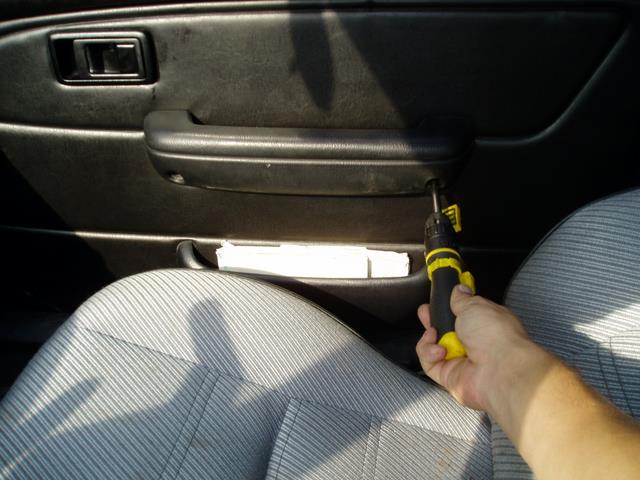
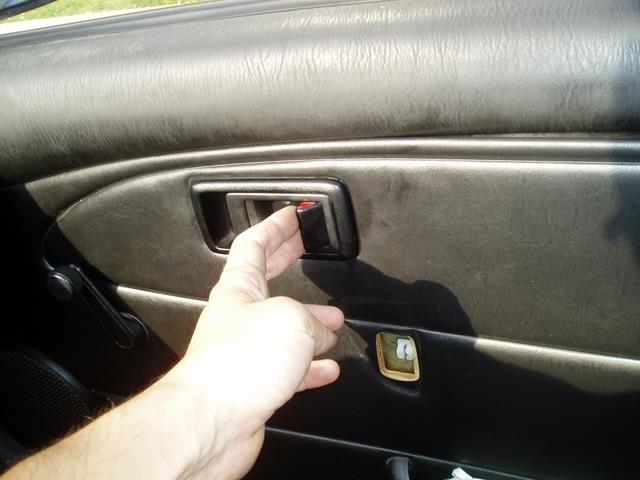
Step 2: Remove handle or anything else
that is holding the interior panel


Step 3: Gently pry interior panel away from door


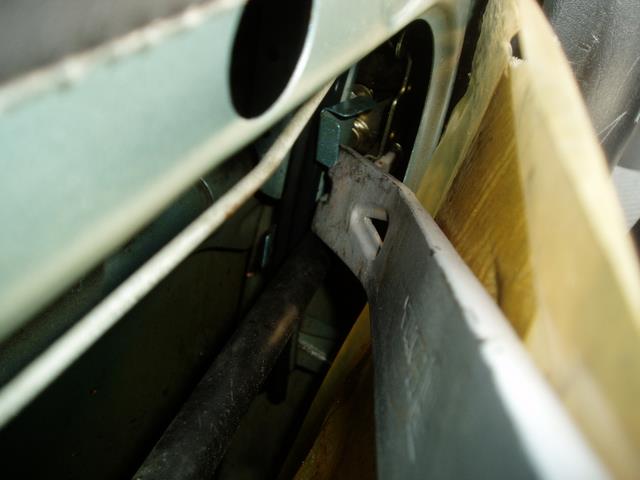
Step 4: Gently separate plastic liner from door frame, lock mechanism should now be visible with a flashlight


Step 5: Spray rust release compound on lock mechanism from every possible angle.
Step 6: Work door lock and handle from both inside and outside


Step 7: If this does not release the lock, (very!) gently pry on mechanism.


Step 8: Open the door! (hopefully)


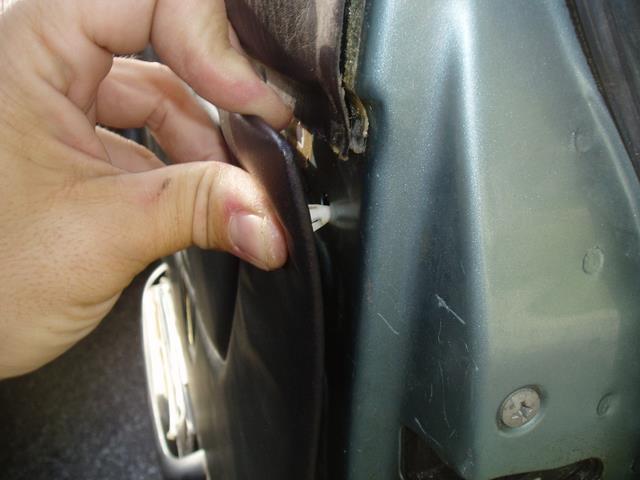
Step 9: Replace plastic liner, door panel, and handle. Note: Take care when aligning the plastic plugs with liner, and holes in door frame as shown.


The whole process took me about 3 hours, but that was because I spent alot of time trying all kinds of ways to free up the lock that didn't work. If I had to do it now, it would probably take a half an hour at most. Anyhow, it's a pleasant way to spend a sunny Sunday afternoon, and when that door actually opens, it's a whole lot more satisfying than any trip to the dealership ever was!

Friday, September 15, 2006

v3#9

A quiet and uneventful month spent mostly in the Toronto area. I did get a chance to go on a canoe trip with friends just as summer was making it's final stand. I feel like I missed summer somehow, going straight from spring to fall.

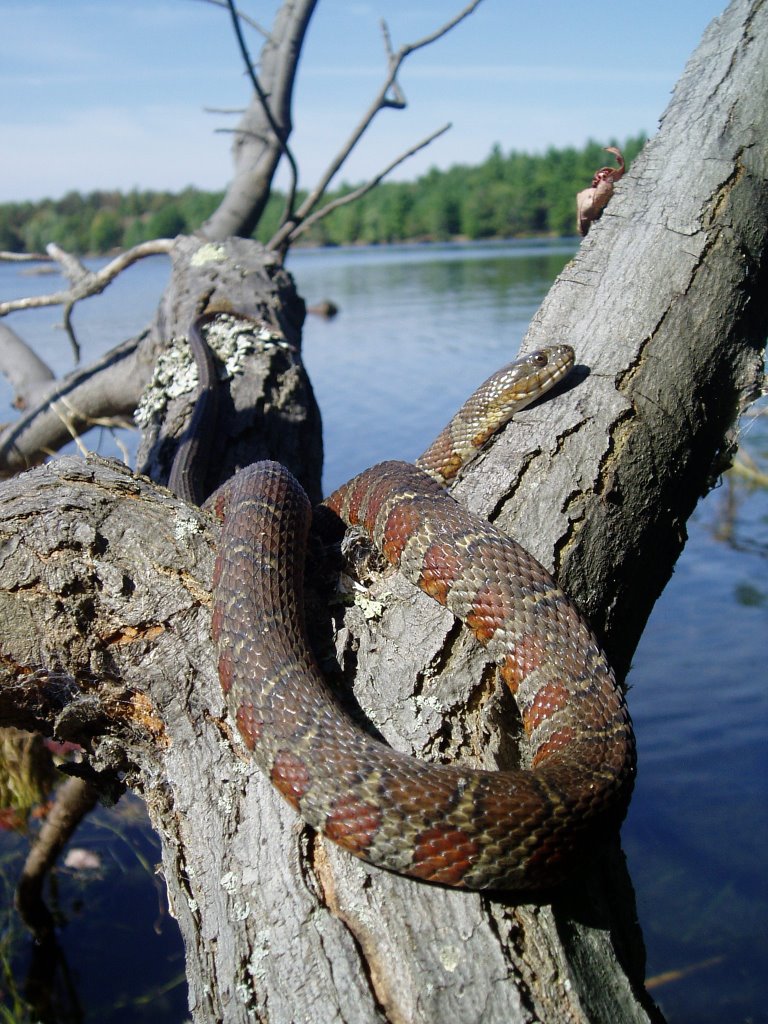
Photo: A Northern Water Snake sharing the last few rays of summer at our campsite in Frontenac Provincial Park

Monday, August 28, 2006

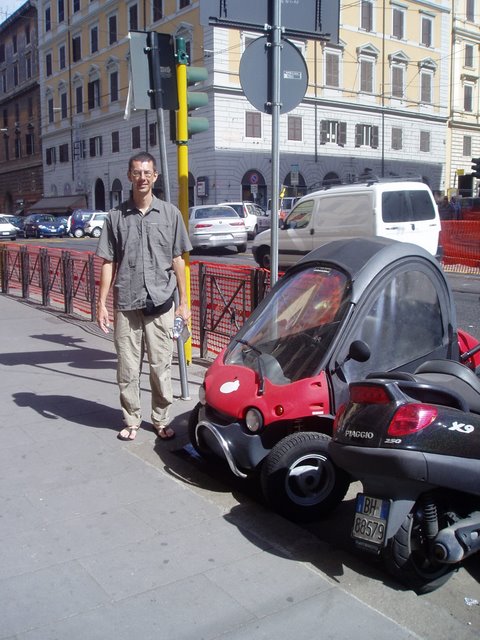
Rome July 2006


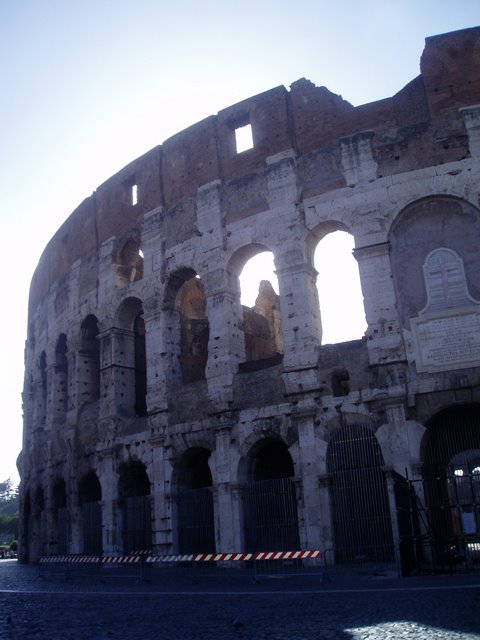
The coliseum


Basilica di San Clemente built in the 12th century on top of a 4th century church, built on top of a Roman house which was had been a place of Mythric worship in the 2nd century.


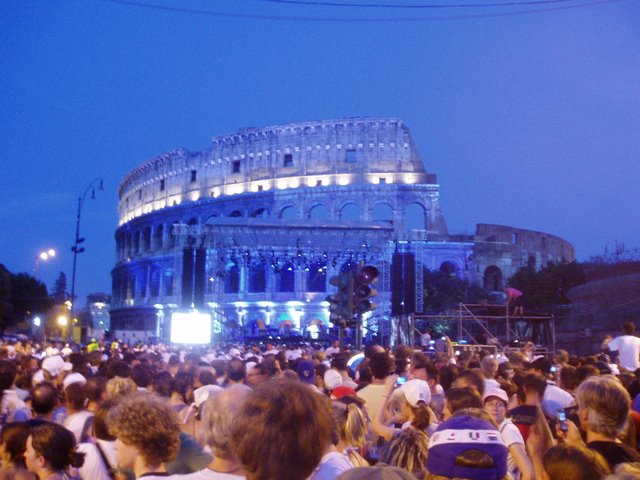
Billy Joel and Bryan Adams at the Coliseum (can you see them?)


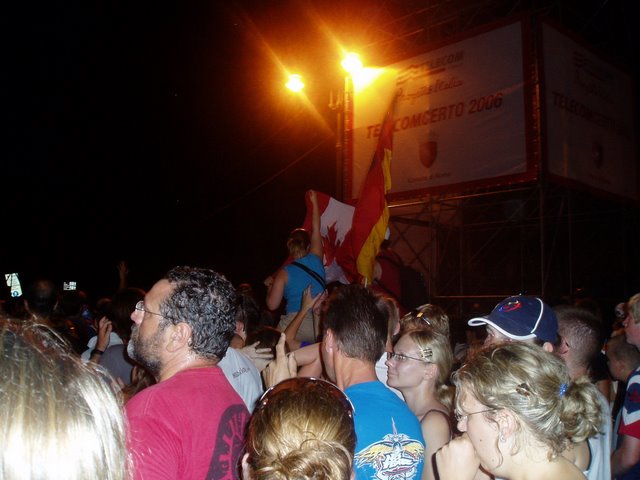
Canadians at the Coliseum to see Bryan Adams


Transportation in Rome


Tuesday, August 22, 2006

Photos from the Rockies trip


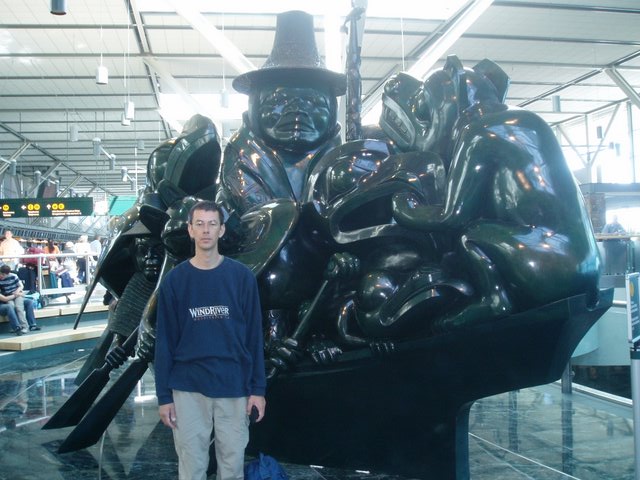
Me in the Vancouver airport. As far as I can recall, my first domestic flight ever. For real.


My dad standing in front of the remains of the pumphouse built by the Japanese Canadians interned on this site (near Lone Butte) during WWII. My dad was 12 at the time.


Mount Robson, highest pt in the Canadian Rockies


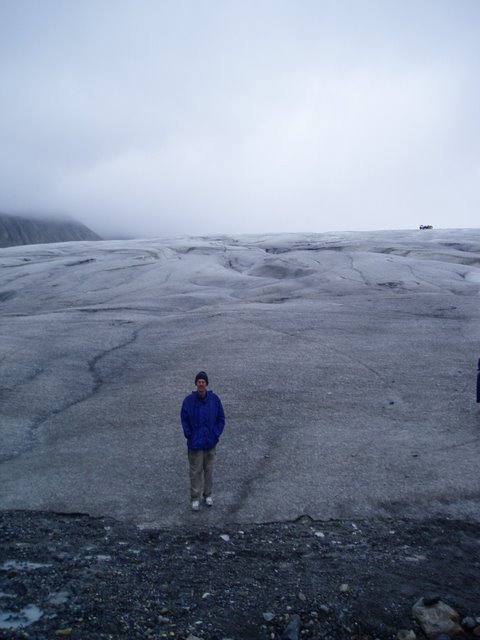
Columbia Icefields (I was cold here too)


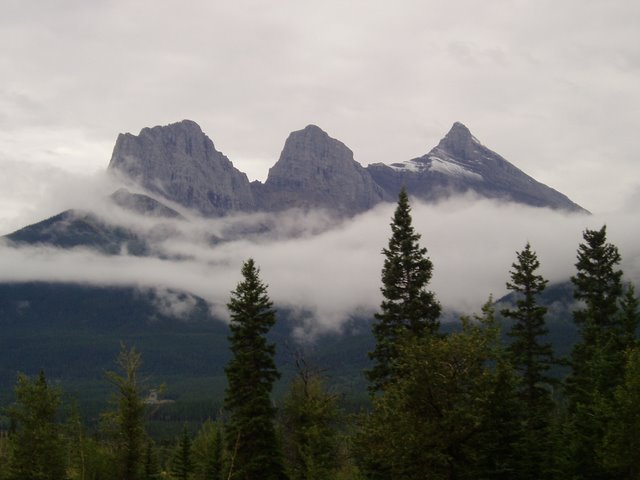
The three Sisters near Canmore, Alberta.

Random Photos


The country directors for the DR and Haiti signing the agreements which make the FlorestaTrans-border project official


A Dominican farmer experimenting with terraces and green manures for soil improvement


An improved woodstove in Tanzania which uses 50-65% less wood than the traditional stove

Posted by Picasa
Savings books of members of a Tanzanian community bank in the Kilimanjaro region

See Photos of the Tanzania Trip

Check out this link to see photos of the Tanzania trip
http://picasaweb.google.com/robertmorikawa/Tanzania2006

Saturday, August 19, 2006

v3#8

Answering the question ´where?´ since the last update is a bit more convoluted than usual: Tanzania for work, top of Kilimanjaro (one of the most difficult things I´ve ever done), wildlife safari in Ngorongoro crater, 3 days in Rome (where I accidentally saw Billy Joel and Bryan Adams play in front of the Coliseum), Vancouver, B.C. for the first ever Morikawa family reunion, driving through the Rockies with my folks, the Dominican Republic to finalize plans for our new cross-border project (a joint effort between Floresta-Haiti, Floresta-DR, and Floresta-USA in an environmentally precarious area--you may remember the news from a couple years back).

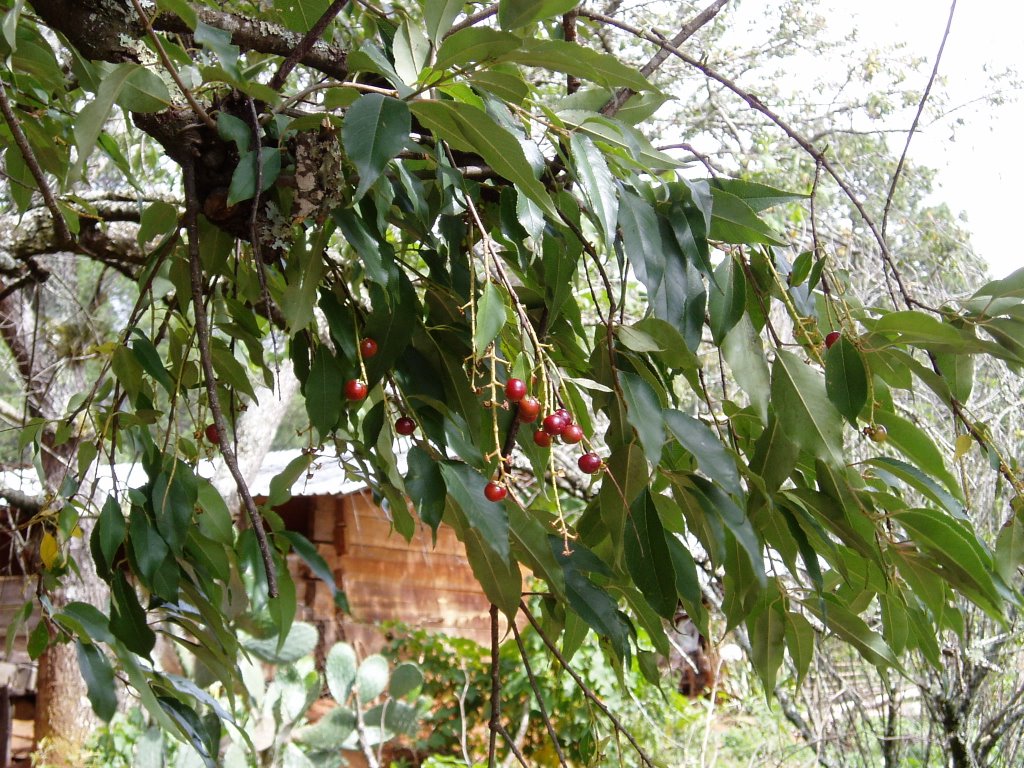
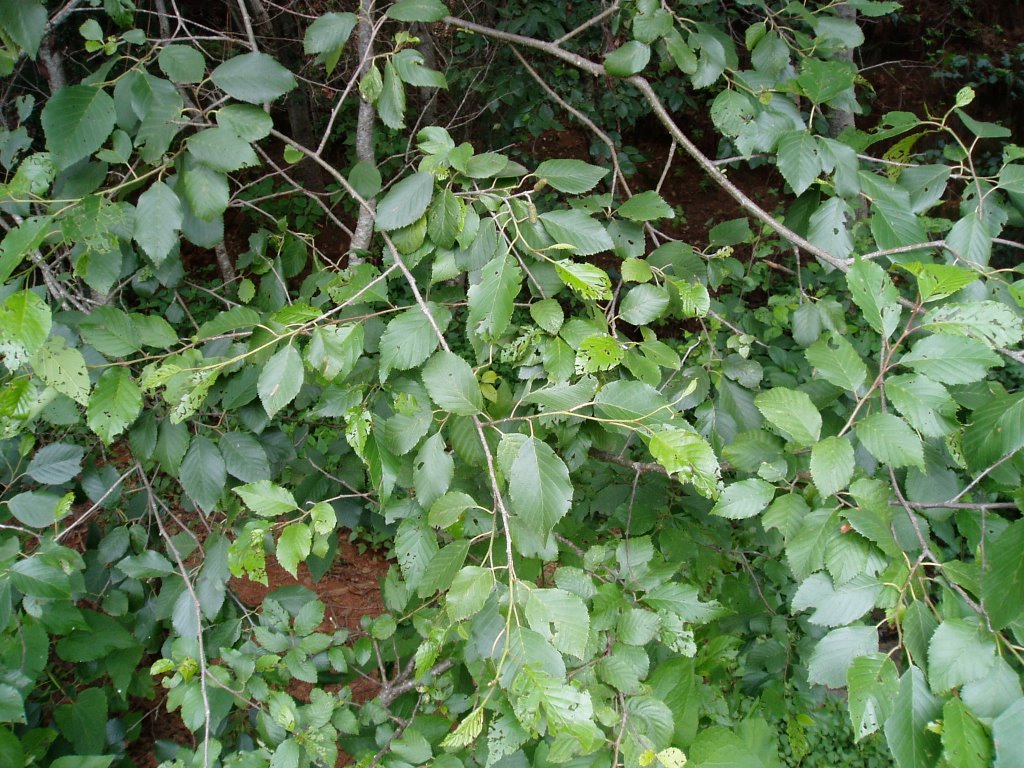
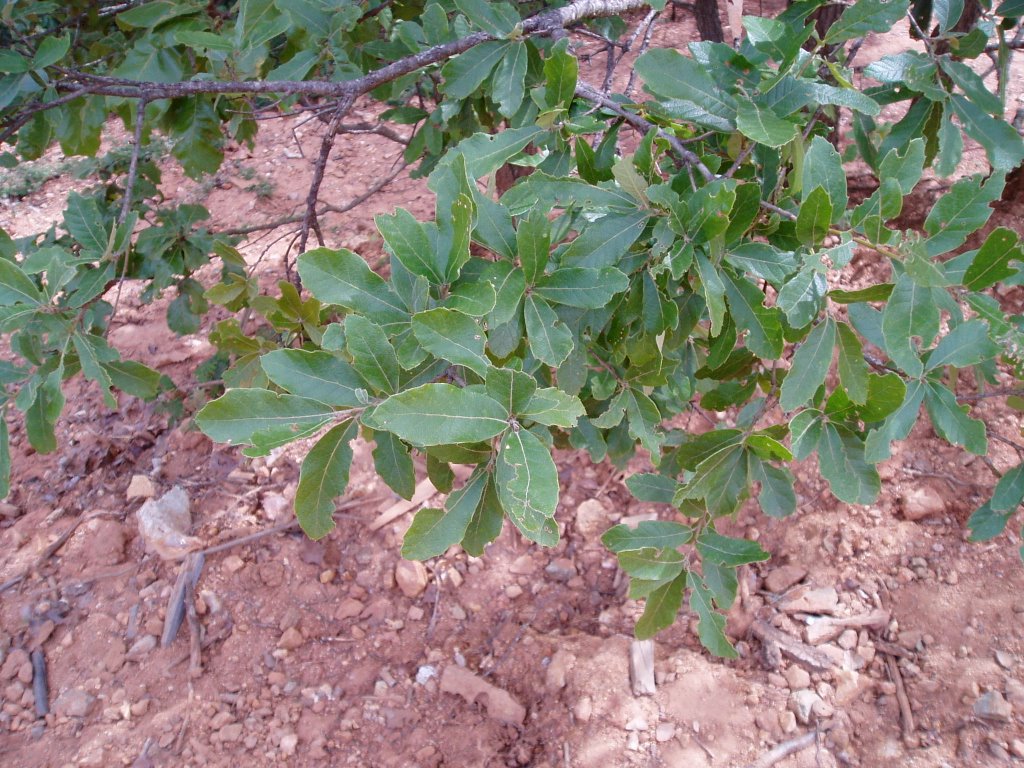
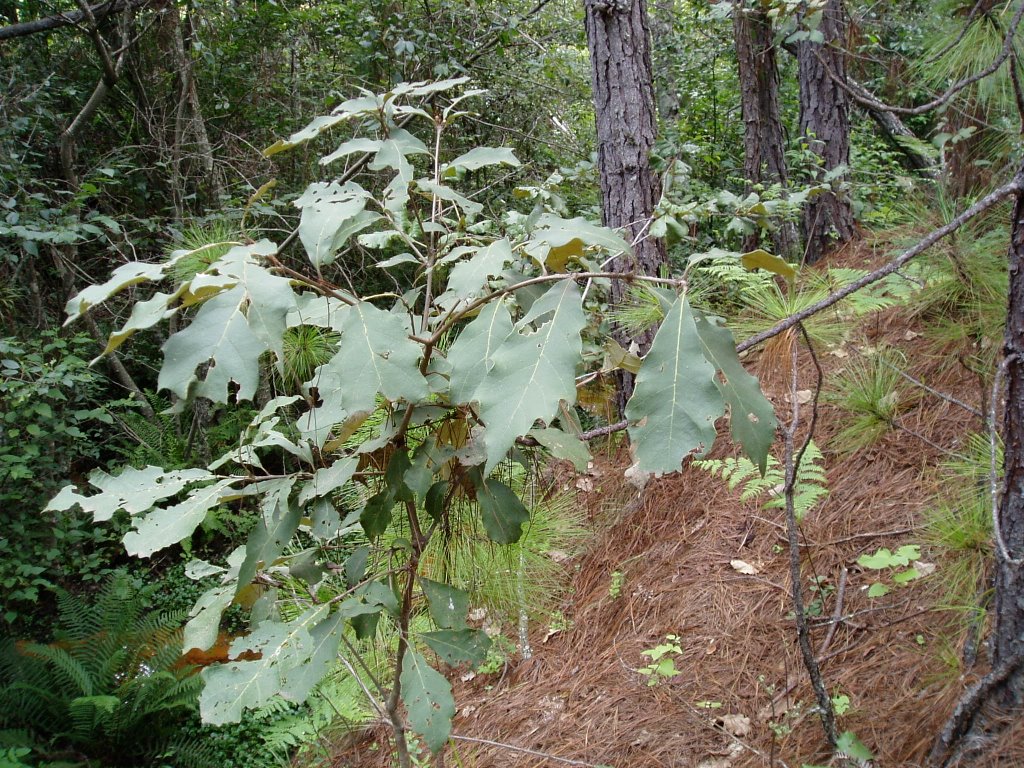
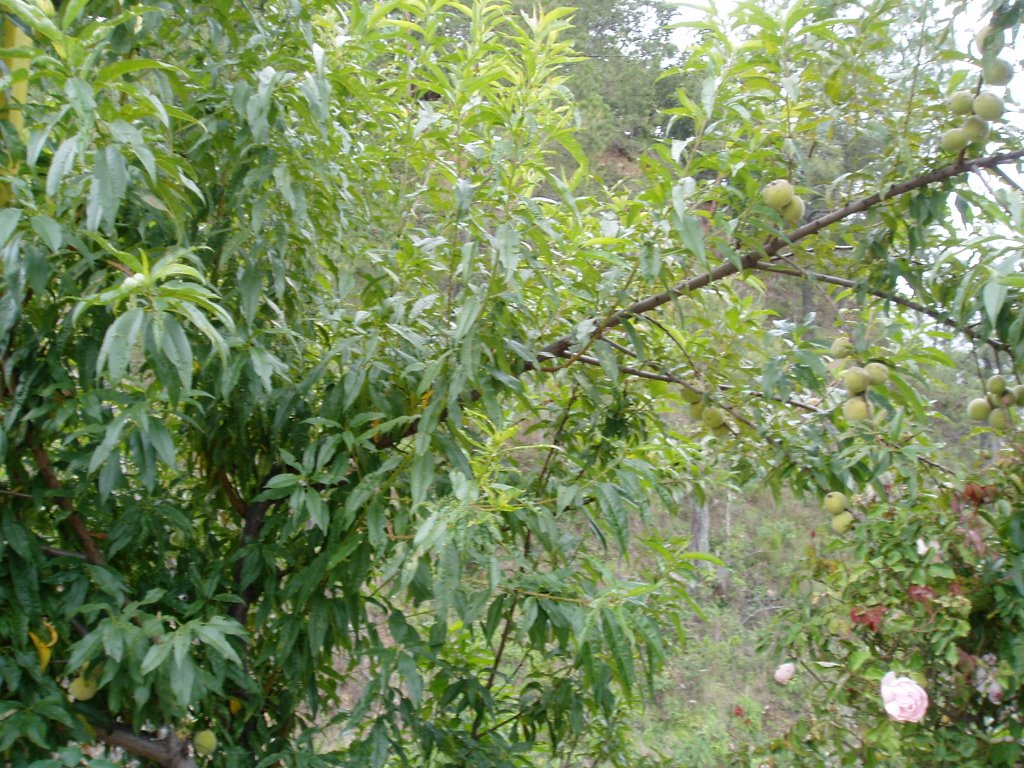
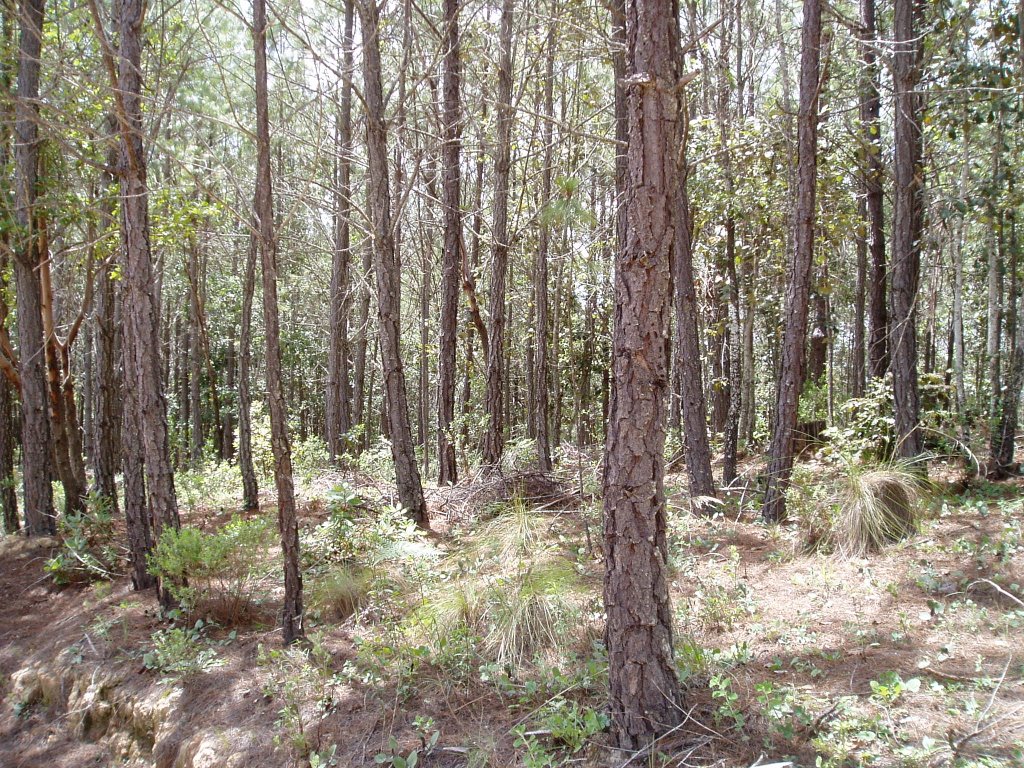
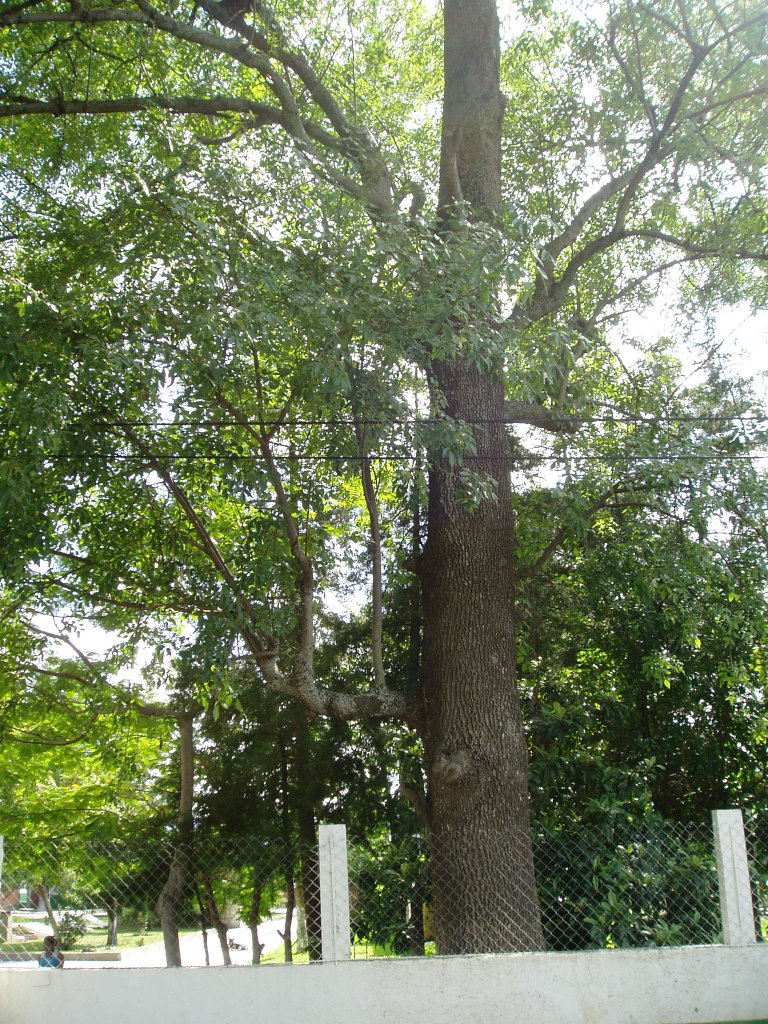
I could prattle on and bore you with the details, but won´t (maybe on the blog). I do want to provide the answers for last month's plant id contest for those that are interested: A. Prunus (cherry) B. Alnus (alder) C.Quercus (oak) D. Quercus (oak) E. Prunus (peach) F. Pinus (pine) G. Fraxinus (ash).

Photo is me at the peak of Kilimanjaro! (Don´t bother asking if I was either cold or exhausted.)

Saturday, July 08, 2006

A whereisbob Contest!

I have a tendency to think that everything south of the Rio Grande is a bizarre and foreign world, completely different from our own. Parts of the state of Oaxaca however, are considered temperate sub-humid climate, and as such I was surprised at the number of plant species that are closely related to those from the eastern US and Canada. In at least one case (Pinus strobus) they are virtually identical.

Here are some photos from Oaxaca of various plants. I will buy a free beverage of your choice to any of you plant nerds out there who can identify these to the genus, or English equivalent common name. Good luck.

A.


B.


C.


D.


E.


F.


G.

More on world's largest tree

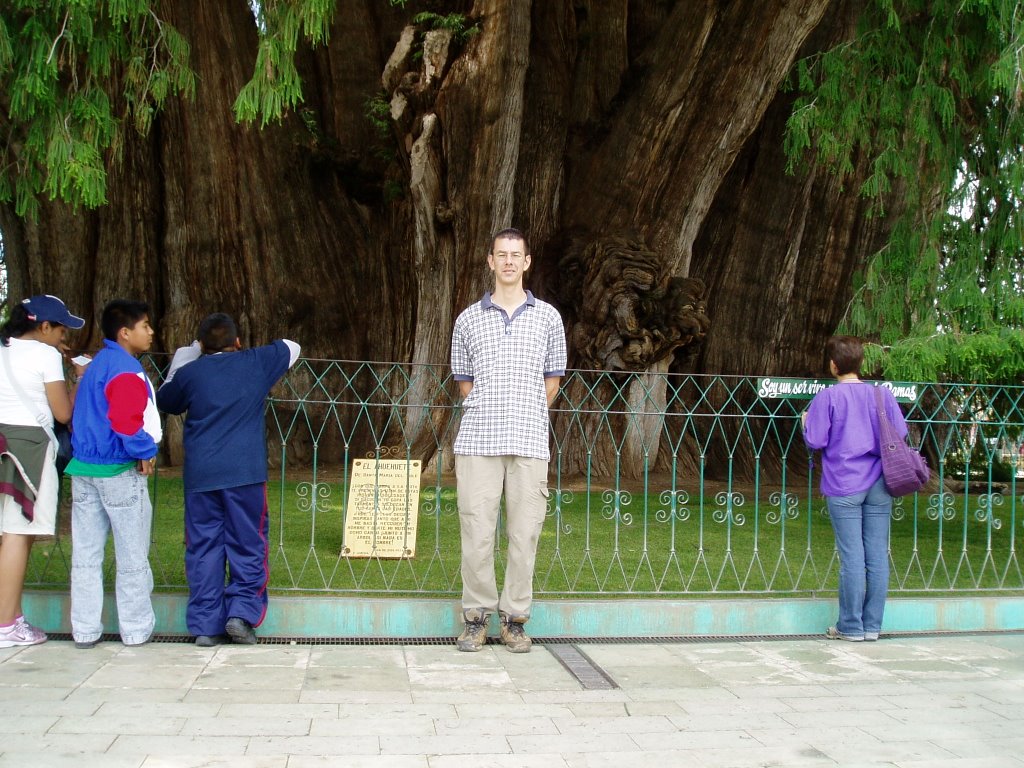
I am sorry to report that I cannot bring you the final word on the largest tree. I did go to visit El Arbol del Tule, but it is still unclear to me. First of all, Mexicans themselves seem very uninterested in whether it's the biggest or not. There is a tour, but it's all about unusual looking features that have grown into the stem or branches over the years, such as knots that look like monkey faces, or the the three wisemen (two separate features!). There is a big plaque which states that the trunk is 14.something metres, but no mention of a record. The other thing is that this particular species of Taxodium has a tendency for the trunks to fuse together, forming one bigger, larger trunk. In this particular tree's case, it has had over 2000 years to fuse probably an entire grove of small trees together. Personally, I don't think this should disqualify it, since this is a normal growth habit for the species, but it does mean the trunk is extremely irregular in shape, so measuring an actual diameter is a difficult exercise at best. One thing I can say with certainty is that it is impressive, and one of the biggest living things I'll ever see.

Well, perhaps the Americans or the Mexicans have the world's largest tree, but apparently Canada has the world's largest tree crusher, http://www.roadsideattractions.ca/crusher.htm
Now there's something to be proud of!

Saturday, June 17, 2006

The World's Largest Tree

There doesn't seem to be one clear answer here. According to the US National Park Service
http://www.nps.gov/seki/shrm_pic.htm the largest tree in the world is the General Sherman Giant Sequoia (Sequoiadendron giganteum). This claim appears to be based on volume, the General Sherman having a volume of over 52,000 cubic feet. The Arbol del Tule, ahuehuete (Taxodium mucronatum) makes the claim based on a diameter of over 14m, at least 3 m more than the General Sherman. The Arbol del Tule is also claimed to be largest based on biomass.

As if that wasn't confusing enough, some people make the argument that a poplar clone might be even larger than either of these, since a grove of poplars can all be sprouted from the same root, genetically identical, and therefore all part of one tree, technically. If you subscribe to this assertion, then many poplar clones would excede either of the above.

What's more, the claim of world's largest organism may go to a fungus in Oregon, which covers an area of almost 10 square kilometres and would exceed any sequoia or ahuehuete both in volume, diameter and mass.

So take your pick. Anyone who can shed further light on this is welcome to comment below. I will personally try to bring back pictures of said ahuehuete during my trip.

Thursday, June 15, 2006

v3#6

Where am I: Canada
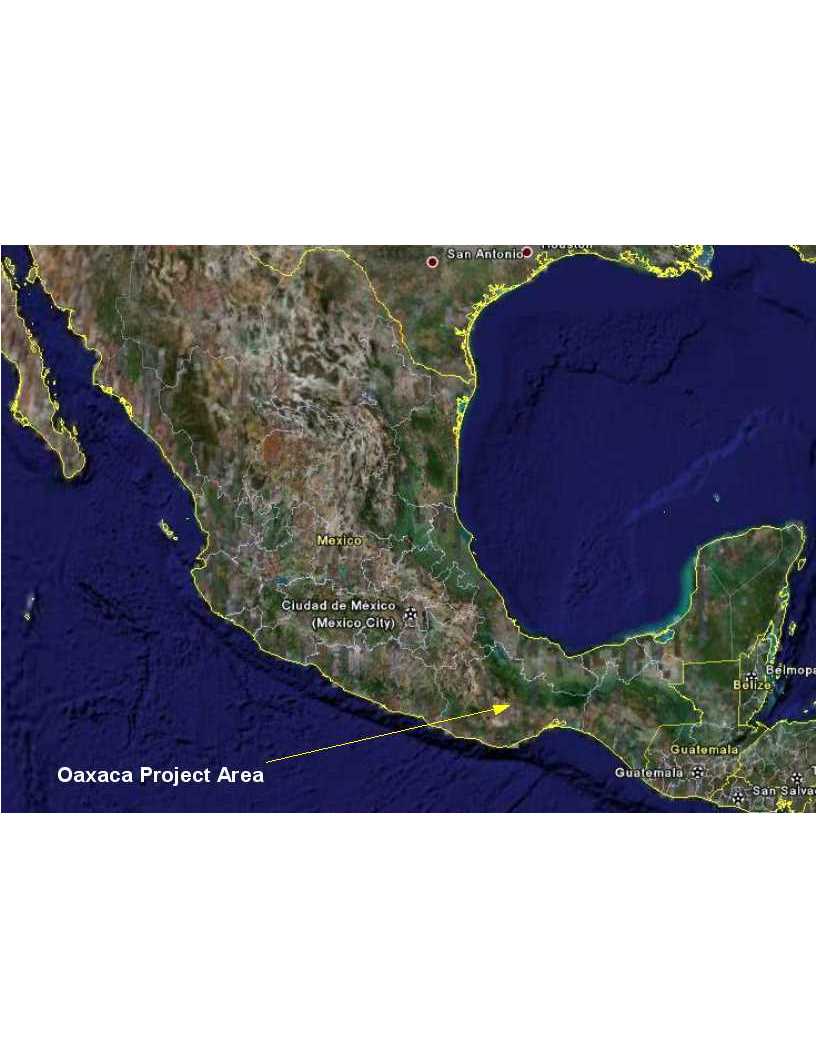
Where am I going next: Oaxaca, Mexico
For how long: 1 week
To do what: Meet with local staff there, learn more about their program, discuss and plan ideas for new innovations and projects.
Safety issues: A massive teachers strike in Oaxaca City has resulted in violence between police and protesters and shut down the city centre. Our project areas are, as usual, outside the city, so this will not be as much of a concern.
Background: Oaxaca is one of the most indigenous areas of Mexico, probably at least partly because of geography. It is a rugged mountainous area, and less accessible which has historically resulted in less outside interaction. There are still large forested areas, although the deforestation rate is rapid. Large portions of the population rely almost exclusively on charcoal making as a livelihood.
The world's largest tree a ahuehuete (a cypress species) is located 10km east of Oaxaca city.

Photo is map showing location of Oaxaca province and our project area.