Monday, August 28, 2006

Rome July 2006


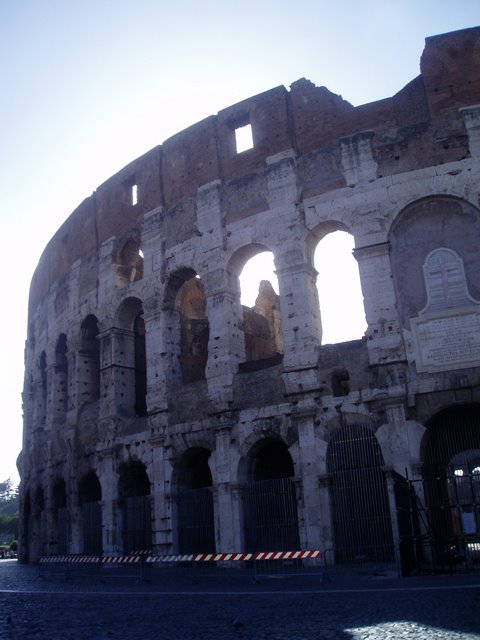
The coliseum


Basilica di San Clemente built in the 12th century on top of a 4th century church, built on top of a Roman house which was had been a place of Mythric worship in the 2nd century.


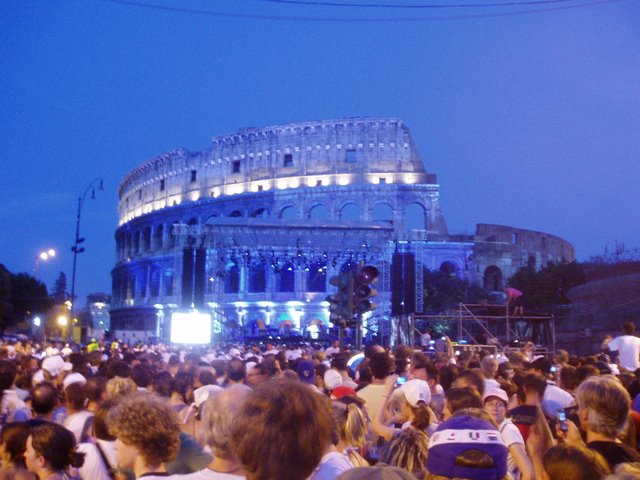
Billy Joel and Bryan Adams at the Coliseum (can you see them?)


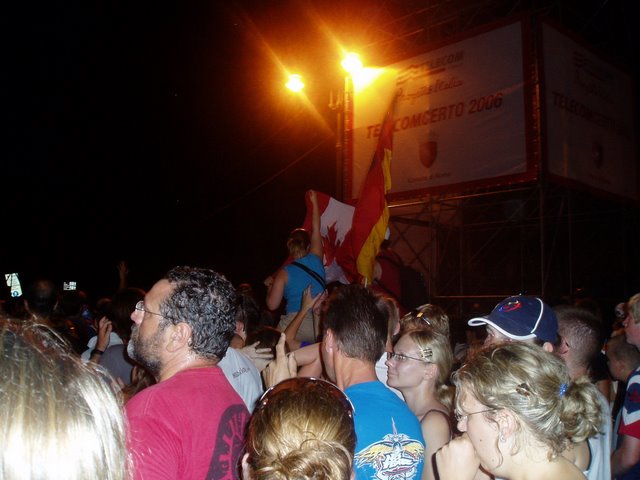
Canadians at the Coliseum to see Bryan Adams


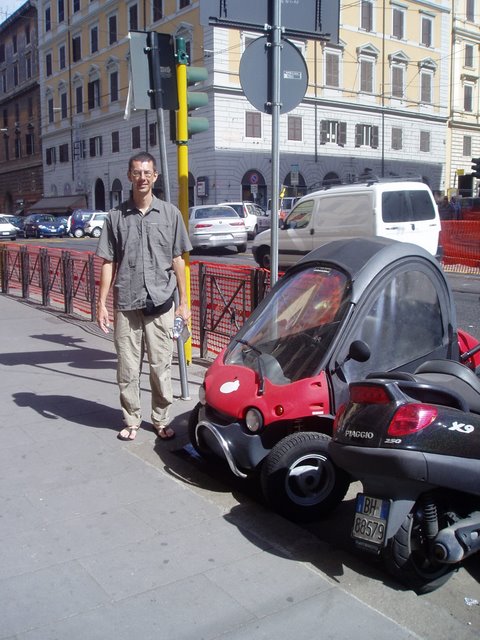
Transportation in Rome


Tuesday, August 22, 2006

Photos from the Rockies trip


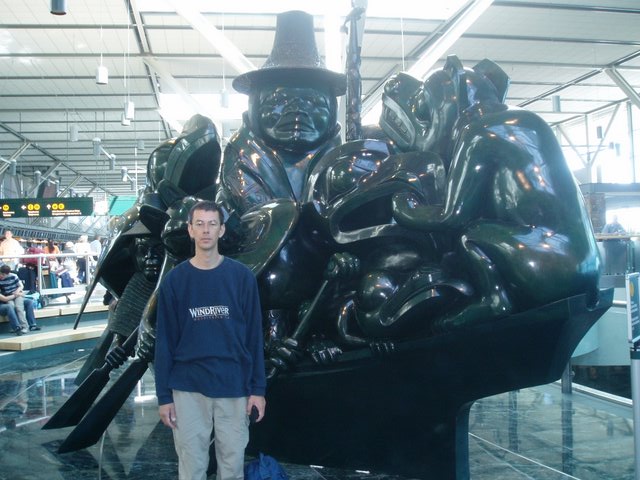
Me in the Vancouver airport. As far as I can recall, my first domestic flight ever. For real.


My dad standing in front of the remains of the pumphouse built by the Japanese Canadians interned on this site (near Lone Butte) during WWII. My dad was 12 at the time.


Mount Robson, highest pt in the Canadian Rockies


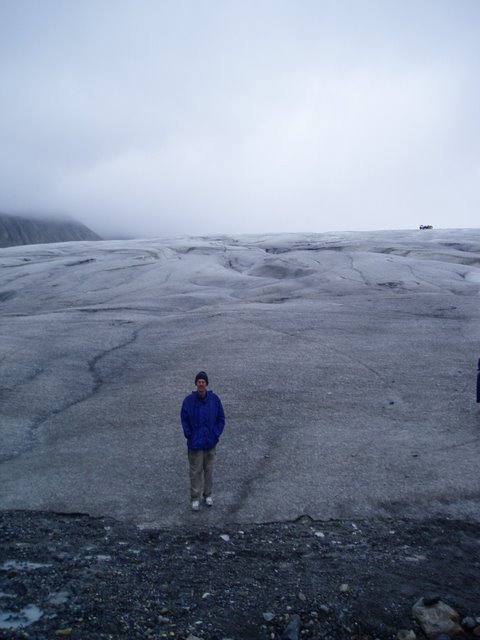
Columbia Icefields (I was cold here too)


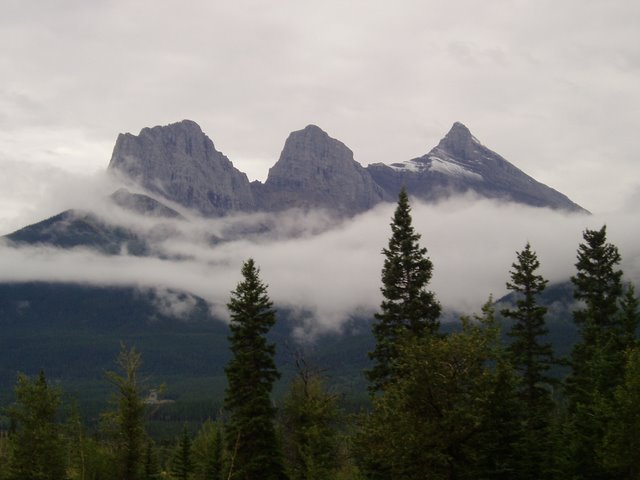
The three Sisters near Canmore, Alberta.

Random Photos


The country directors for the DR and Haiti signing the agreements which make the FlorestaTrans-border project official


A Dominican farmer experimenting with terraces and green manures for soil improvement


An improved woodstove in Tanzania which uses 50-65% less wood than the traditional stove

Posted by Picasa
Savings books of members of a Tanzanian community bank in the Kilimanjaro region

See Photos of the Tanzania Trip

Check out this link to see photos of the Tanzania trip
http://picasaweb.google.com/robertmorikawa/Tanzania2006

Saturday, August 19, 2006

v3#8

Answering the question ´where?´ since the last update is a bit more convoluted than usual: Tanzania for work, top of Kilimanjaro (one of the most difficult things I´ve ever done), wildlife safari in Ngorongoro crater, 3 days in Rome (where I accidentally saw Billy Joel and Bryan Adams play in front of the Coliseum), Vancouver, B.C. for the first ever Morikawa family reunion, driving through the Rockies with my folks, the Dominican Republic to finalize plans for our new cross-border project (a joint effort between Floresta-Haiti, Floresta-DR, and Floresta-USA in an environmentally precarious area--you may remember the news from a couple years back).

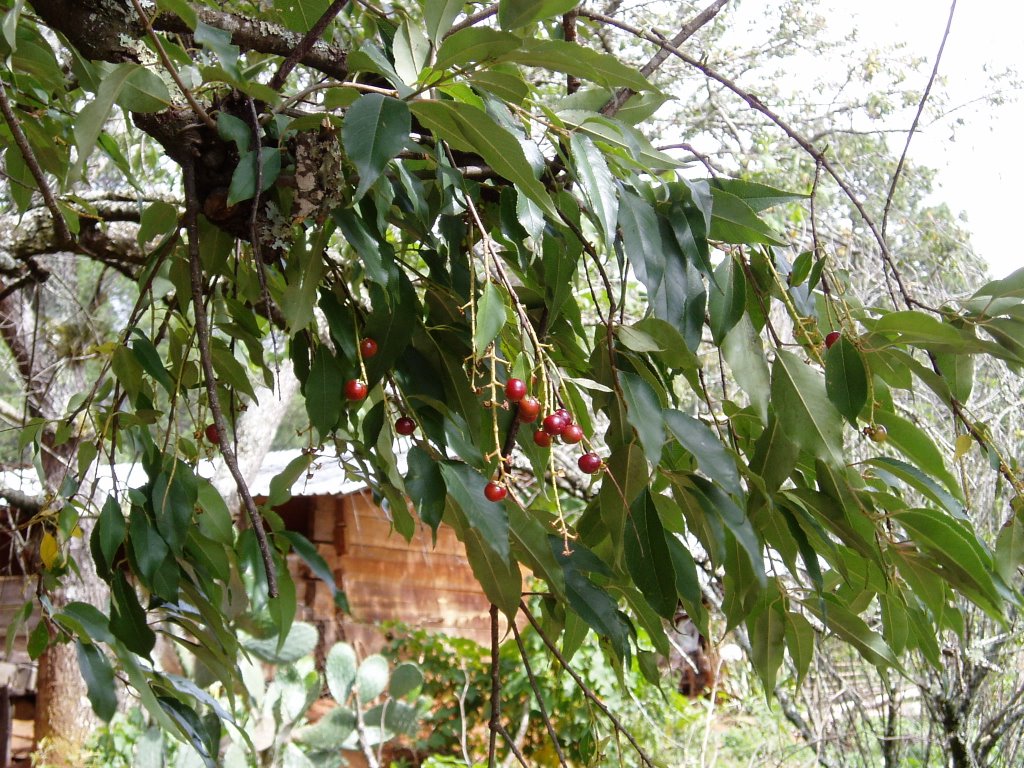
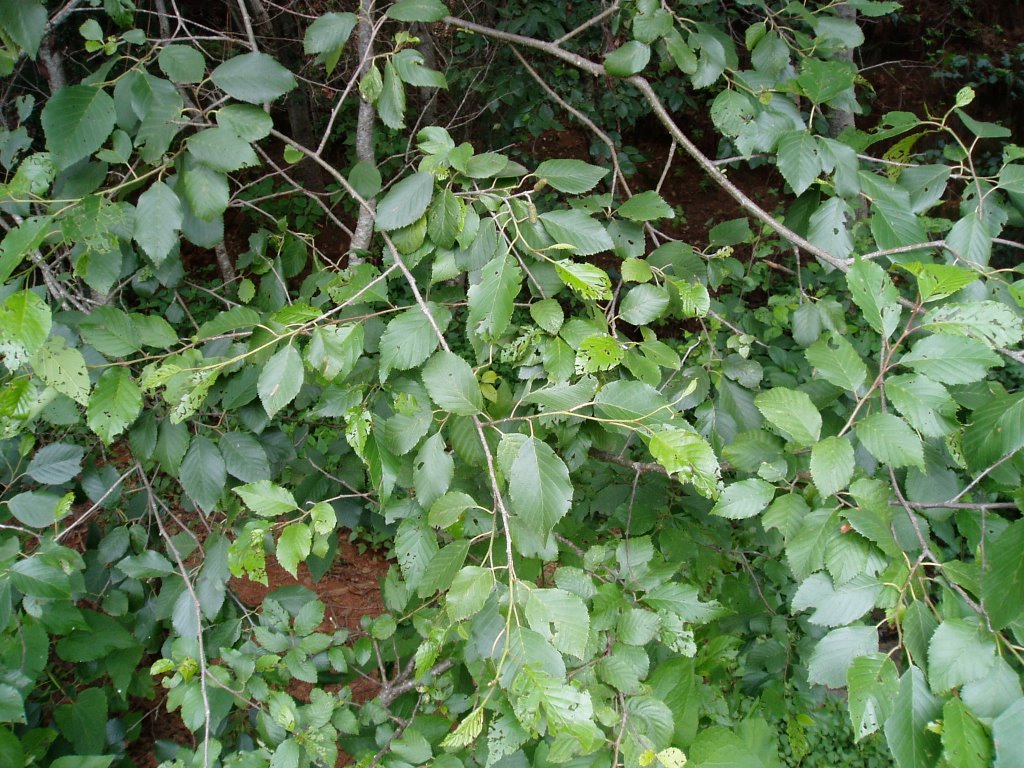
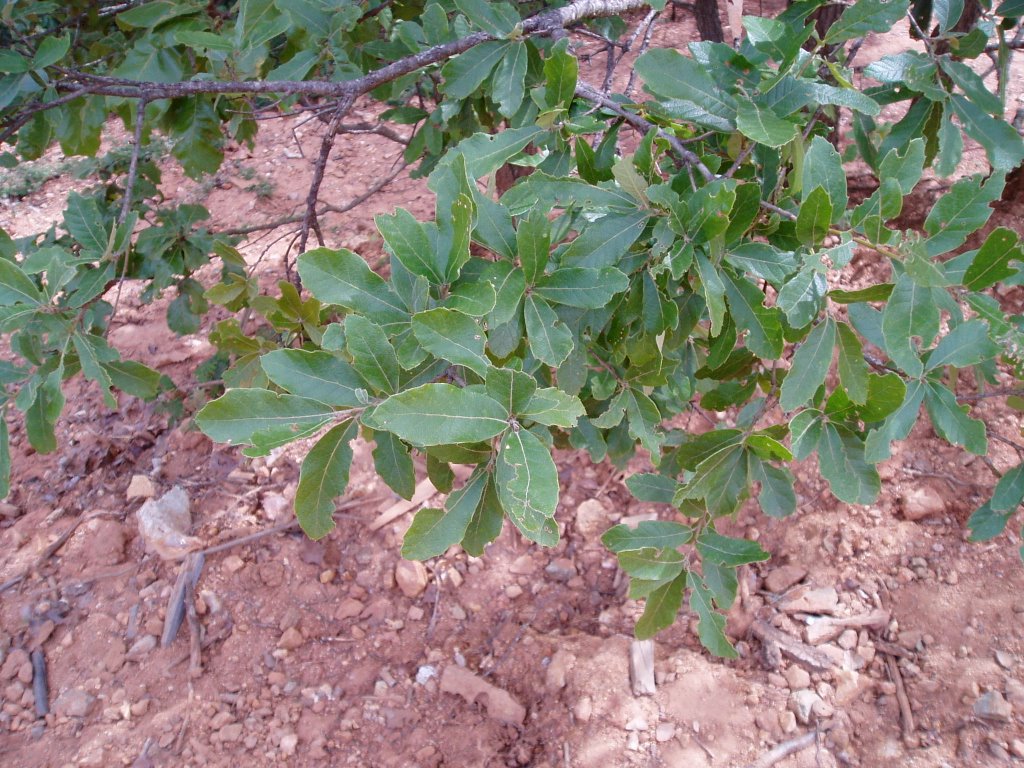
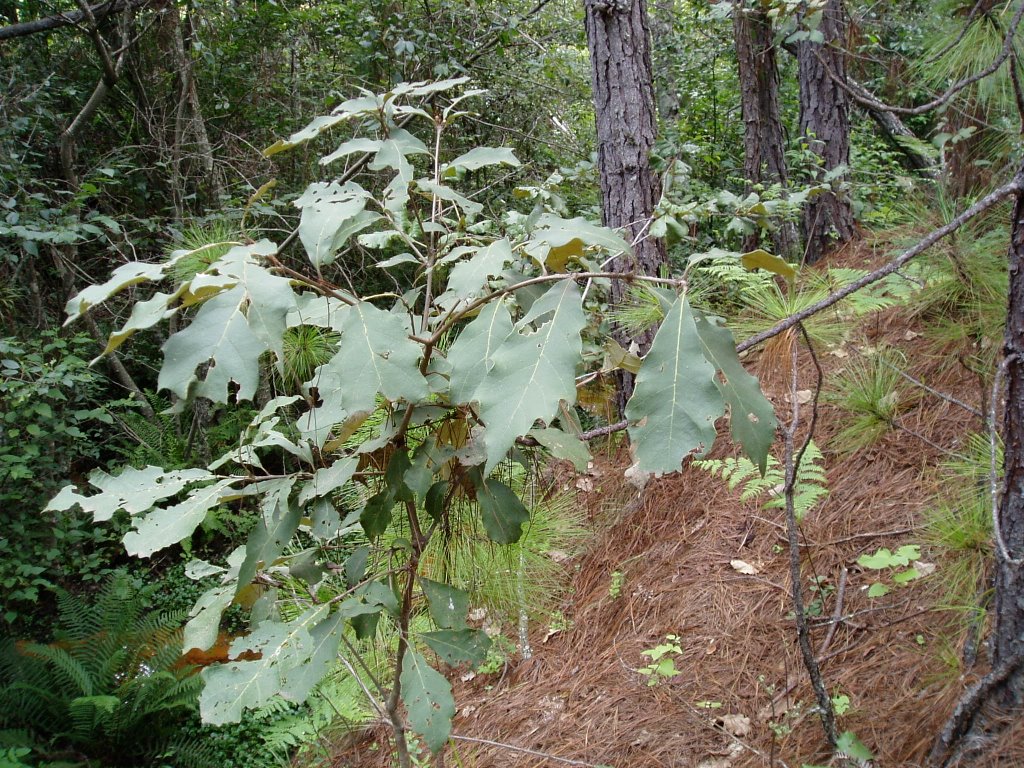
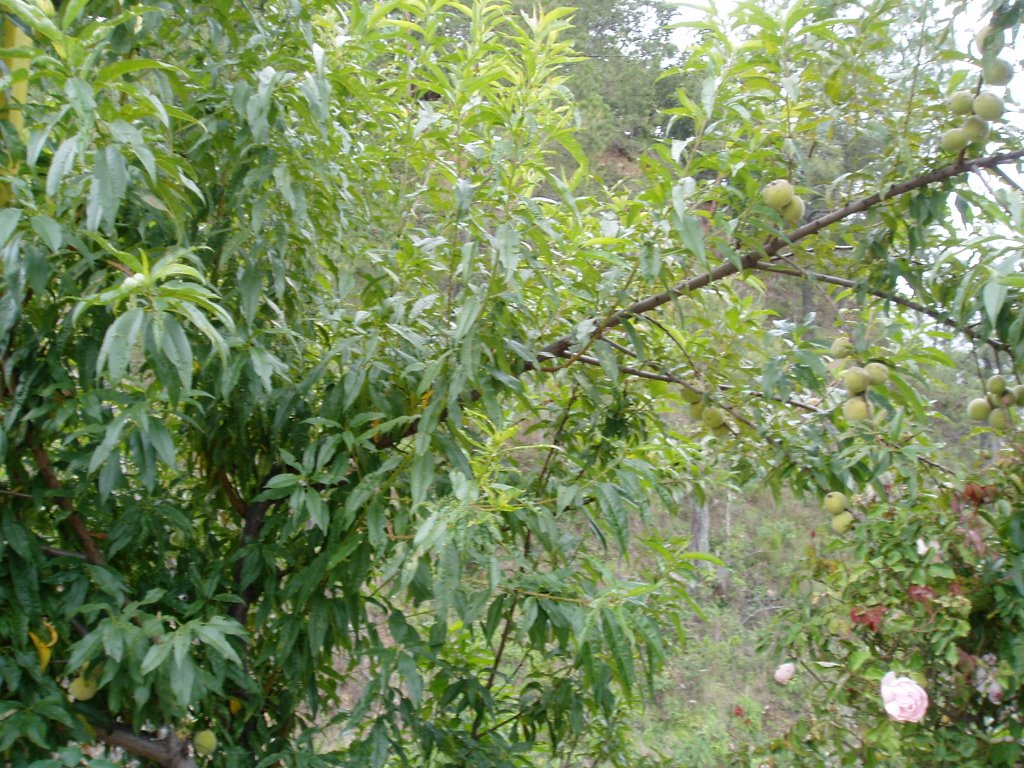
I could prattle on and bore you with the details, but won´t (maybe on the blog). I do want to provide the answers for last month's plant id contest for those that are interested: A. Prunus (cherry) B. Alnus (alder) C.Quercus (oak) D. Quercus (oak) E. Prunus (peach) F. Pinus (pine) G. Fraxinus (ash).

Photo is me at the peak of Kilimanjaro! (Don´t bother asking if I was either cold or exhausted.)

Saturday, July 08, 2006

A whereisbob Contest!

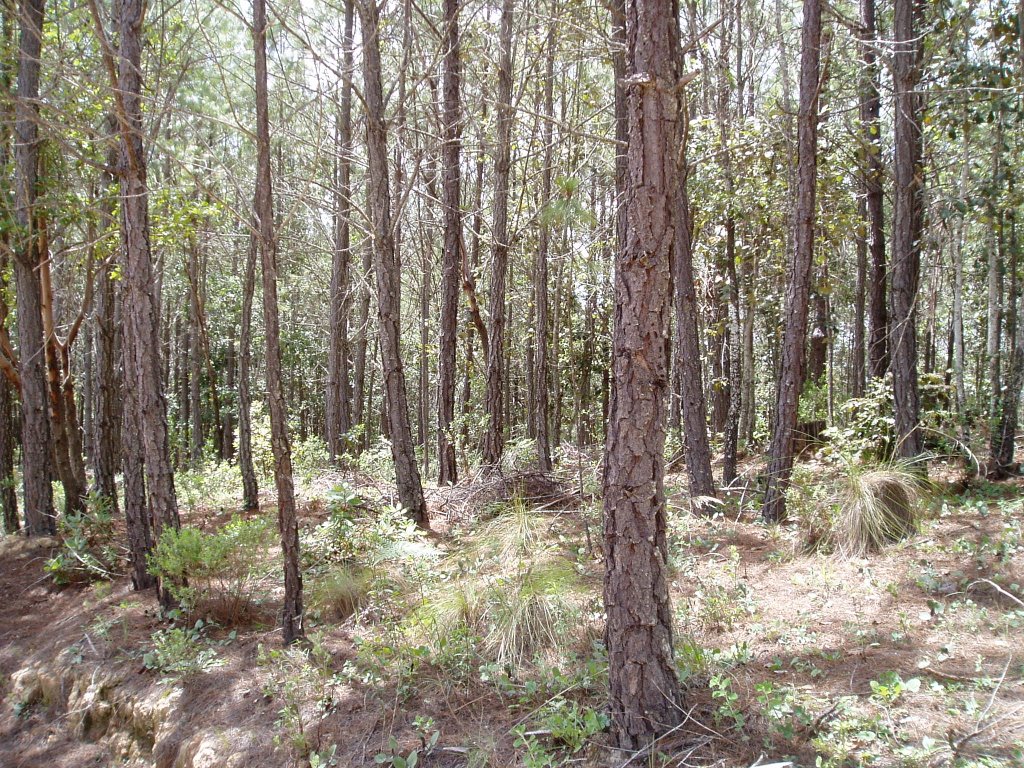
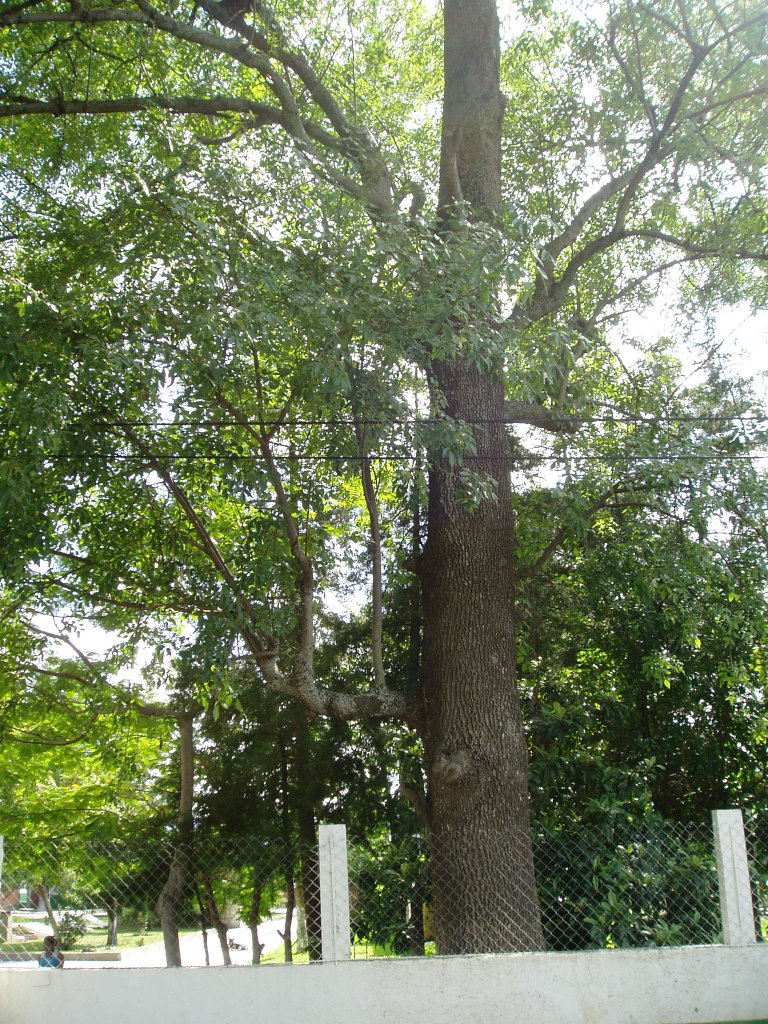
I have a tendency to think that everything south of the Rio Grande is a bizarre and foreign world, completely different from our own. Parts of the state of Oaxaca however, are considered temperate sub-humid climate, and as such I was surprised at the number of plant species that are closely related to those from the eastern US and Canada. In at least one case (Pinus strobus) they are virtually identical.

Here are some photos from Oaxaca of various plants. I will buy a free beverage of your choice to any of you plant nerds out there who can identify these to the genus, or English equivalent common name. Good luck.

A.


B.


C.


D.


E.


F.


G.

More on world's largest tree

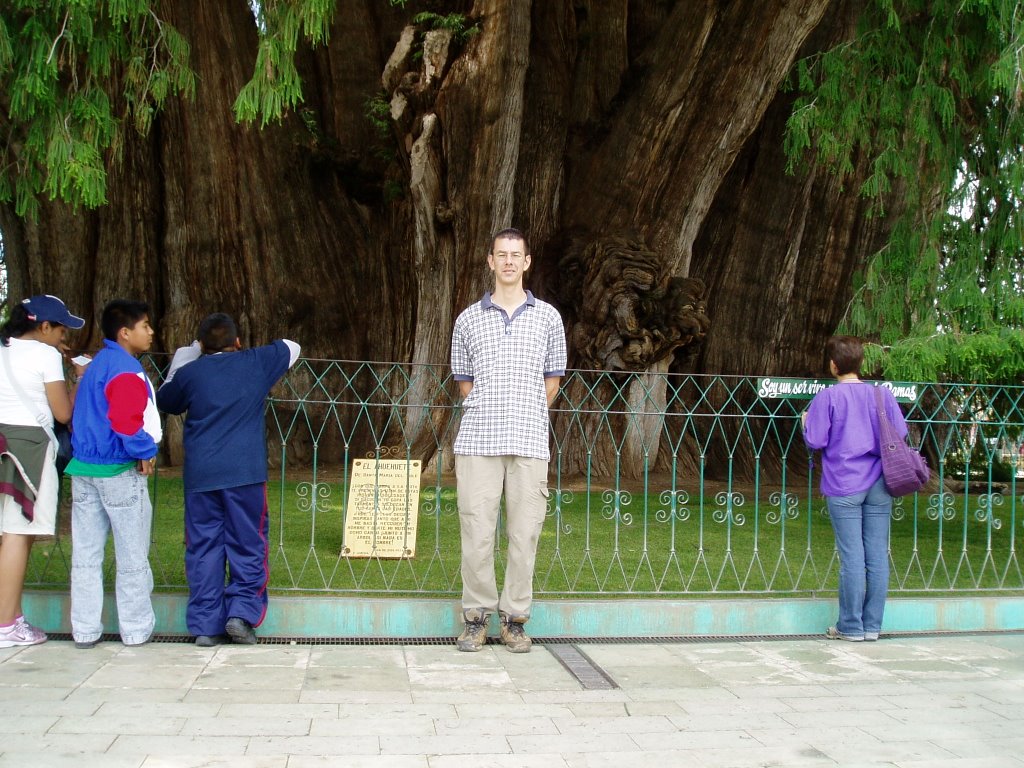
I am sorry to report that I cannot bring you the final word on the largest tree. I did go to visit El Arbol del Tule, but it is still unclear to me. First of all, Mexicans themselves seem very uninterested in whether it's the biggest or not. There is a tour, but it's all about unusual looking features that have grown into the stem or branches over the years, such as knots that look like monkey faces, or the the three wisemen (two separate features!). There is a big plaque which states that the trunk is 14.something metres, but no mention of a record. The other thing is that this particular species of Taxodium has a tendency for the trunks to fuse together, forming one bigger, larger trunk. In this particular tree's case, it has had over 2000 years to fuse probably an entire grove of small trees together. Personally, I don't think this should disqualify it, since this is a normal growth habit for the species, but it does mean the trunk is extremely irregular in shape, so measuring an actual diameter is a difficult exercise at best. One thing I can say with certainty is that it is impressive, and one of the biggest living things I'll ever see.

Well, perhaps the Americans or the Mexicans have the world's largest tree, but apparently Canada has the world's largest tree crusher, http://www.roadsideattractions.ca/crusher.htm
Now there's something to be proud of!

Saturday, June 17, 2006

The World's Largest Tree

There doesn't seem to be one clear answer here. According to the US National Park Service
http://www.nps.gov/seki/shrm_pic.htm the largest tree in the world is the General Sherman Giant Sequoia (Sequoiadendron giganteum). This claim appears to be based on volume, the General Sherman having a volume of over 52,000 cubic feet. The Arbol del Tule, ahuehuete (Taxodium mucronatum) makes the claim based on a diameter of over 14m, at least 3 m more than the General Sherman. The Arbol del Tule is also claimed to be largest based on biomass.

As if that wasn't confusing enough, some people make the argument that a poplar clone might be even larger than either of these, since a grove of poplars can all be sprouted from the same root, genetically identical, and therefore all part of one tree, technically. If you subscribe to this assertion, then many poplar clones would excede either of the above.

What's more, the claim of world's largest organism may go to a fungus in Oregon, which covers an area of almost 10 square kilometres and would exceed any sequoia or ahuehuete both in volume, diameter and mass.

So take your pick. Anyone who can shed further light on this is welcome to comment below. I will personally try to bring back pictures of said ahuehuete during my trip.

Thursday, June 15, 2006

v3#6

Where am I: Canada
Where am I going next: Oaxaca, Mexico
For how long: 1 week
To do what: Meet with local staff there, learn more about their program, discuss and plan ideas for new innovations and projects.
Safety issues: A massive teachers strike in Oaxaca City has resulted in violence between police and protesters and shut down the city centre. Our project areas are, as usual, outside the city, so this will not be as much of a concern.
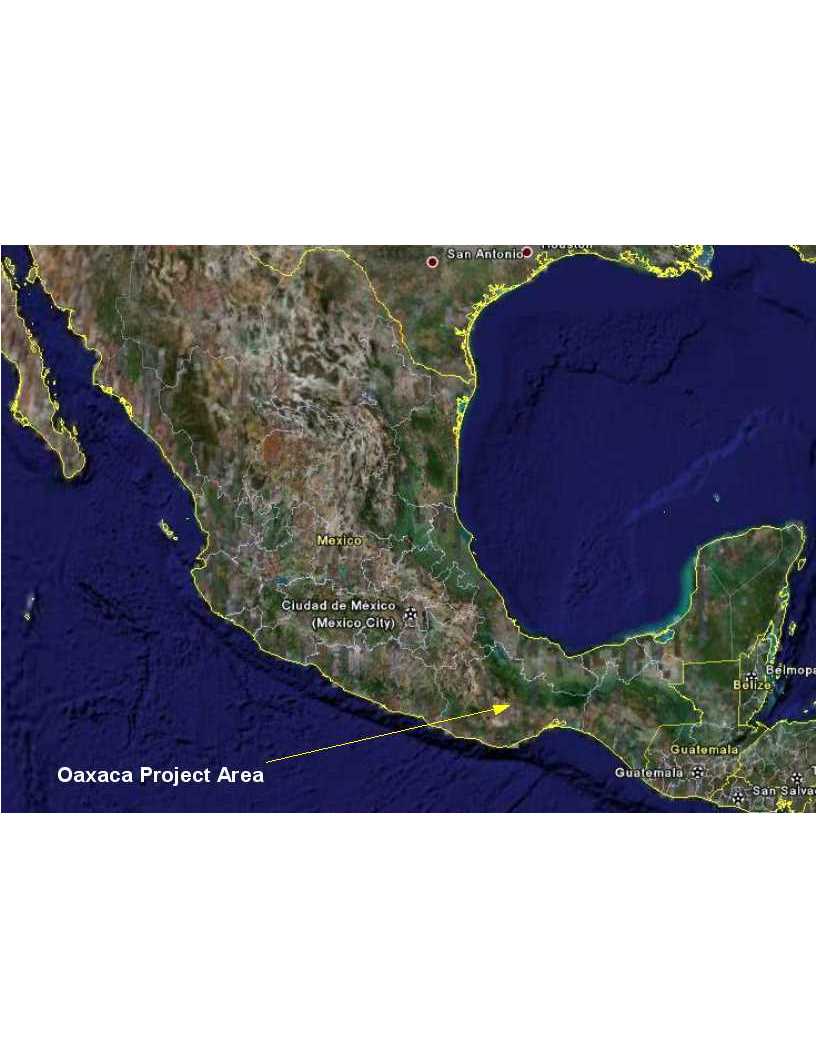
Background: Oaxaca is one of the most indigenous areas of Mexico, probably at least partly because of geography. It is a rugged mountainous area, and less accessible which has historically resulted in less outside interaction. There are still large forested areas, although the deforestation rate is rapid. Large portions of the population rely almost exclusively on charcoal making as a livelihood.
The world's largest tree a ahuehuete (a cypress species) is located 10km east of Oaxaca city.

Photo is map showing location of Oaxaca province and our project area.

Tuesday, May 16, 2006

random shots of Haiti and the DR, Apr-May 06


A farmer in Haiti who is collaborating with Floresta to establish a small gene conservation planting for a valuable but disappearing tree species in the region Cedrela odorata.

Floresta's agronomist in the DR and a Dominican farmer discussing the results of an on-farm experiment to increase tree plantation growth through thinning

Pre-Columbian (Taino) petroglyphs in the DR near the border

A tree energy plantation established by a Haitian farmer. Note that the neighbours on either side of him are still planting annual crops.

The trail that people take in this Haitian border community to fetch water everyday. The spring is at the bottom of the ravine and takes an hour to get to and and hour to return. Most families have to take several trips everyday.

v3#5

I was a bit surprised on my return from the Caribbean after 2.5 months that there is raging debate over immigration. There's definitely some synchronicity there since I spent the past few months working with our Dominican and Haitian staff on establishing a new project in the border zone where migration is a huge issue. Thousands of Haitians make their way illegally to the DR to try and eek out a living while many Dominicans and Haitians both climb on questionable watercraft and put themselves at the mercy of the Caribbean Sea in order to have a chance at making a better life in Canada or the US. I don't really have any great answers as to what the US or Canada should do in terms of immigration policy but I can tell you with certainty that the phenomenon itself is very real. It starts as a trickle in a hundred poor villages, builds in the paths and market towns, and grows to a mighty river at the borders and ports of entry of wealthier nations. Sometimes this river is calm, other times raging, but to me it always seems powerful and in some way, undeniable.

The organization I work for, and others like it, work to create economic alternatives for people. If everything works right, they then have a choice, more choice than just chopping down the last remaining forest, or fleeing their homeland. Granted, some may still choose to leave and try their luck elsewhere, but my personal feeling is that the average person in Haiti or the DR or a dozen other countries, if they knew they could get a steady job, or get a decent education, or run a profitable business, they wouldn't want to leave home.

Speaking of home, it's good to be back. It's nice to be able to take a hot shower instead of using a 5 gallon bucket and a dipper, or be thinking in the back of my mind about kidnappings, that kind of thing. (Although things have calmed down considerably in Haiti since the elections in February, thankfully.)

Bob

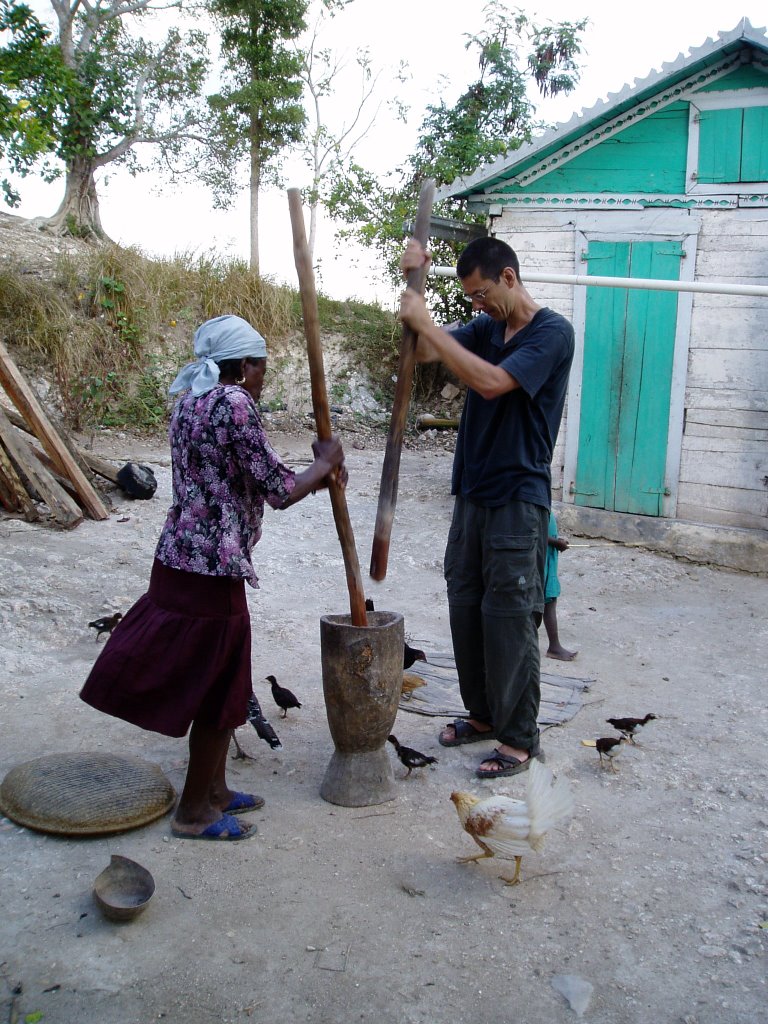
Photo is me milling millet for the first and possibly last time. If you did this for a couple weeks straight you'd be ripped, as most Haitian farming families are.

Friday, April 28, 2006

 Posted by Picasa

Sunday, April 16, 2006

v3#4

Sometimes I write this thing as much for my own benefit as anyone else´s. Where exactly am I? Oh yeah, the Dominican Republic. I got here this afternoon on a two prop island hopper from Haiti. My five weeks in Haiti were a bit of everything. The Haitian staff and myself spent several days in the border community of Terre Froide (18.37904N, 71.82652W) conducting what is called a Participatory Rural Appraisal (PRA). A PRA is basically a series of exercises which an organization conducts in order to better understand the community where they intend to work, and more importantly--as the name suggests--to allow the community to participate in the planning process for a new program which might be coming to their area. This particular PRA lasted two days, and resulted in a list of the most significant problems in the community as well as proposed solutions for each problem. All of this work is basically done by the community members, and our job as an organization is basically to listen.

Lots more happened in the past 5 weeks than the PRA, and maybe if I´m feeling energetic at some point I will post some stuff on the blog. Right now I´m pretty much exhausted, and need to get rested up, because we are going to repeat the whole process on the Dominican side of the border starting tomorrow morning!

Photo: a group of farmers representing 3 of the 12 communities attending the PRA, discuss the major problems in their particular areas.

Sunday, March 05, 2006

Photos from Haitian/Dominican border

Border town on Haitian side, as viewed from it sister town in the DR


Market day in the same town


Looking up towards the neighbouring national park in the DR, protected but under heavy pressure from the surrounding communities


Looking back down towards Jimani, the town which was flooded out in 2004. Note the large alluvial fan, caused by the flooding, which starts in communities far upstream


Down in Jimani, standing on the alluvial fan, looking at the new barrier being build in preparation for the next flooding event.

Saturday, March 04, 2006

v3#3

18.475550° N 69.964880°W for those of you with Google Earth, or some other mapping software. I've been in the Dominican Republic for about 3 weeks. My time has focussed mostly on working with the staff here to develop our plans for the project in the border area between the DR and Haiti. This included a visit to the border to visit some communities and talk to some of the local leadership. Next week I am going to Haiti (hopefully) to do the same with our Haitian staff. (Since the election of Rene Preval as President, the situation there seems to have calmed down somewhat.) The border area is fascinating and complicated, and I think unique. It doesn't seem to be as much of a line as a wide band with open economic and social interchange between Dominicans and Haitians, and a gradual blending of cultures across the artificial marks drawn on maps. Many people on both sides (within this band) speak both Spanish and Haitian Creole, and there is a lot of intermarriage. Agriculture in the zone is also dependent on a close intertwining of the two cultures, with many Haitians share cropping on Dominican owned land. Understanding this relationship is going to be critical to our developing initiatives that will be appropriate for the region. At an organizational level, we will also be working together more closely as Haitians, Dominicans, and North Americans. This will be another big challenge, but our initial meetings of Floresta-Haiti, Floresta-DR, and Floresta-USA, have been very positive, and even in these planning stages, we are learning from each other. This is no small thing, considering the general feelings of hostility and discrimination that exist between the two cultures, and have existed for centuries.

Bob


Photo: Haitian girl on her way to market in a border town on the Haitian side, where goods are informally traded back and forth across international lines

Tuesday, February 14, 2006

v3#2

On Wednesday, Feb. 15, I leave for the Dominican Republic. I will be gone for 2.5 months, and will mainly be involved in helping to start a new Floresta project on the border between Haiti and the Dominican Republic. As you may know, the island of Hispanola is occupied by the two countries, Haiti on the western third, and the DR on the eastern two thirds. The entire island is about 650km x 250km making it slightly larger than Lake Superior. Sharing the same island has meant a deeply intertwined but not necessarily friendly history and today you could probably liken the relationship between the two countries as somewhat analogous to that of the US and Mexico. The border region, where we hope to work, is particularly sensitive and has suffered not only from political complications but environmental complications as well--witness the devastating floods that were in the news two years ago. We are in the very fortunate position of having programs in both countries--albeit not right at the border--and we hope to bring both teams together to try and take a crack at finding some solutions for the deforestation problems in that area.

I'm pretty concerned about my personal safety this time around. If you've been following the news you'll know that things in Haiti are, well, it's really hard to say how things in Haiti are at the moment. This is part of the reason for flying into the DR from where I will travel to Haiti as I am able. In theory I will split my time 50/50 between the two countries. I do know several Americans and Canadians who are living and working in Haiti at the moment without too much problem so I know it can be done. Still, when Wyclef Jean, the famed rap artist has to go on Haitian national television, to plead with the gangs not to kidnap his friends Brad Pitt and Angelina Jolie who visited a few weeks back, it gives one pause.

Bob

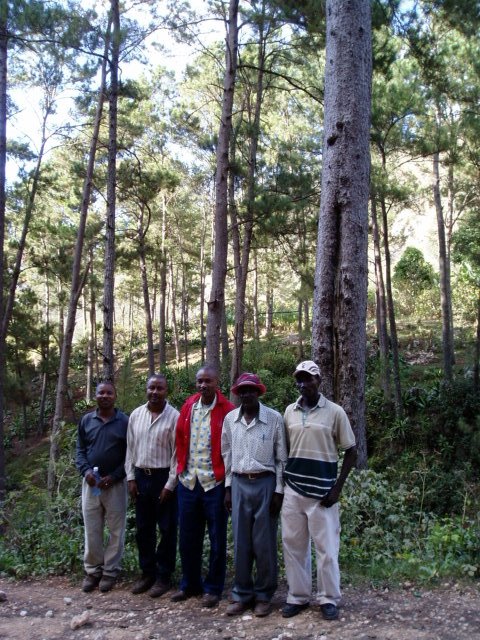
Photo: some of the last pine forest in the border region and in Haiti, taken on a site visit by some of our staff and farmers.

Monday, January 16, 2006

v3#1

Jan 2006

I was watching the movie, "The Quiet American" a couple of weeks ago. In the opening, the main character Fowler says, "They say you can learn a lot about Vietnam in a few minutes, but the rest has got to be lived."

Now I have never been to Vietnam, but that phrase captures somehow, in some way, something, and quite clearly, I might add. I struggle to come up with ways to describe how I feel as I travel to various countries, and it's great when you discover that someone has actually found a way to put it in words. To the best of my knowledge, those words do not appear in the novel by Graham Greene on which the movie is based, so I can't pay tribute to the original source. Graham Greene, however, did write another novel, "The Comedians", set in Haiti during the Duvalier era, which I think captures the difficult to describe feeling you get when you set foot in that country. Mr. Greene gets some of his geography confused outside the capital city, but that I suspect may be a result of doing much of his writing while sipping rum punch on the patio of the Hotel Olaffson, which figures prominently in the book.

I am going to Haiti soon, by the way. I will be arriving in the Dominican Republic mid Feb. and dividing my time between the two countries over the course of two months, as the political situation allows. I will keep you posted as I am able to get access to the internet.

Oh, Happy New Year.

Bob

Photo: skiing in Quebec in December, thanks to the generous invite of friends who have a chalet near Mt. Tremblant.


Friday, December 16, 2005

A few photos from 2005


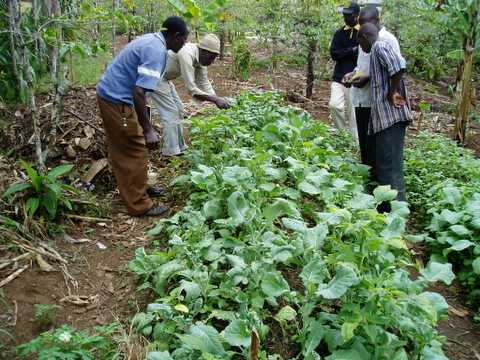
Improved bean trial, Tanzania

Farmer growing artemesia, an anti-malarial plant

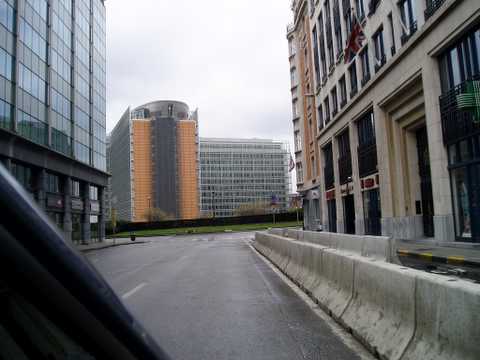
EU headquarters, Brussels

Iguana, Dominican Republic

Fire fighting seminar, DR

Bio-intensive gardening

Ngorongoro Crater Nat'l Park, Tanzania

Elephant feeding damage

A Floresta Loan

Lions resting after lunch

v2#12

Dec, 2005

I have to say, as we come to the final issue of 'where is bob?' for this year, that it's been a real joy to share my journeys with you. I appreciate the interest and moral support many of you have expressed, and sometimes almost feel like we are making this journey together. In fact, as the world grows smaller and smaller in this 'global age', I sort of feel like this job I have is a metaphor for the increasing inter-connectedness (both positive and negative) that our species is experiencing.

In that same spirit, I'd like to encourage your feedback. What do you like/not like? What would you want to hear more about in the future? Or, if you want to stop getting this email altogether, please let me know that too. Conversely, if you know anyone who would like to be added to the mailing list, please put me in touch with them. Much to my surprise, the number of people receiving this update has actually grown over the past year. And of course, I'd always love to hear about where you are, and what you're doing.

To answer the question for the last time in 2005, I am in the Toronto area, and will be until early February. For those of you in the area, if I haven't seen you already, maybe our paths will cross in the next few weeks. For all of you I wish you a Merry Christmas, and look forward to starting Where is Bob volume 3!

Bob

Had trouble picking my favourite photo of the year, so I tried to pick one related to the topic instead. I took this photo in Honduras, but the far side of the bridge is in El Salvador. Every year hundreds cross this bridge on their way to the promised land (Los Estados Unidos). Some may have already travelled far by the time they get to this bridge, places as far away as Africa, and the Middle East, but for many, the journey begins right here.